


Journal · Skin Health
Advanced Laser and Radio Frequency, Explained: Which Energy Device Treats What
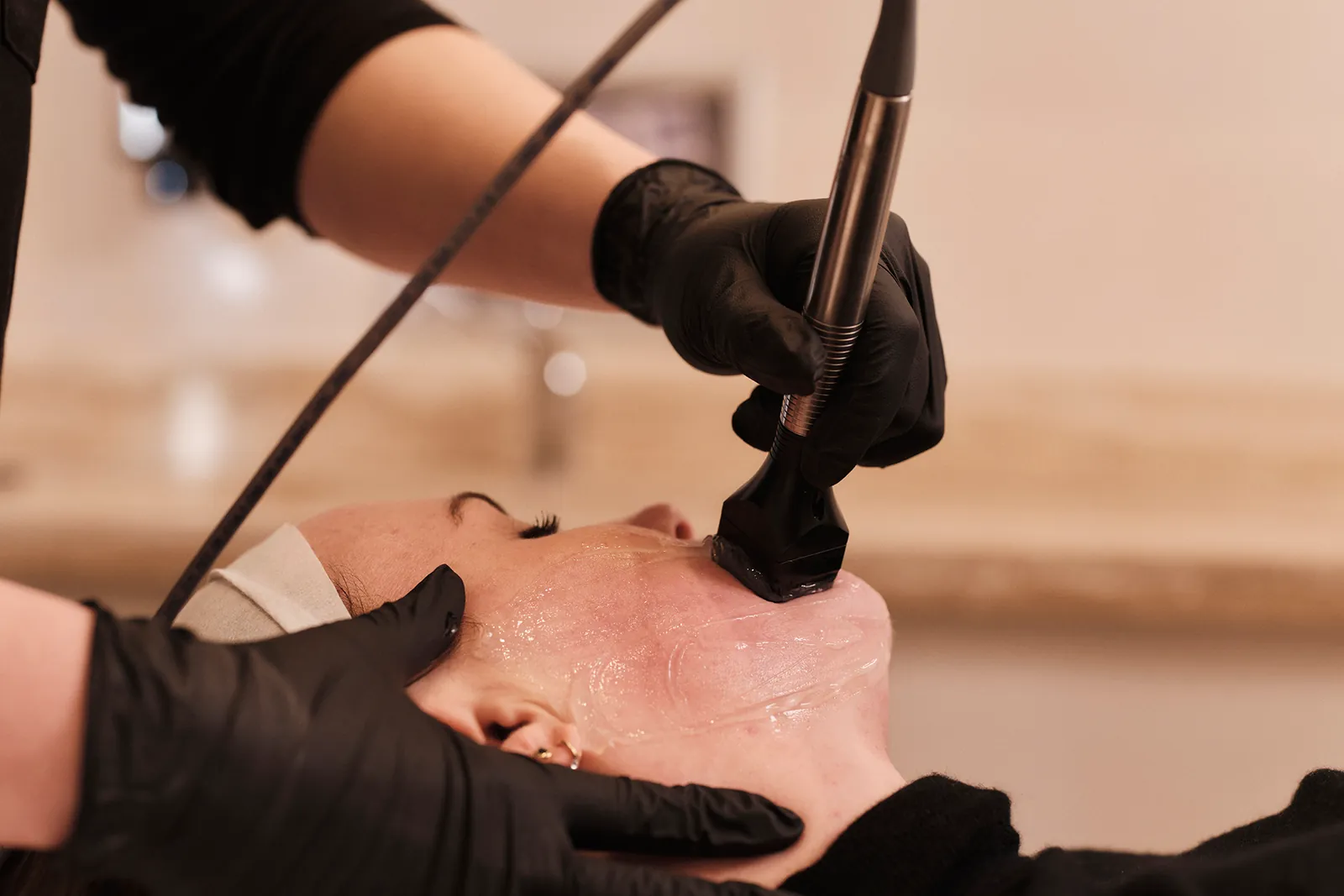
Laser, radiofrequency, ultrasound and muscle stimulation are not four versions of the same treatment. They reach different layers of the face and they fix different problems. Laser and light work on the surface and on pigment: tone, texture, sun damage, resurfacing. Radiofrequency and ultrasound work underneath it, on collagen and on the structures that hold the face up. Muscle stimulation works on neither, and acts on the muscle itself. The ten treatments in the Advanced Laser and Radio Frequency range at our South Kensington clinic sit across all of those, which is why the useful question is not which device is best but which layer your concern lives in.
Autumn is when most of these conversations start. A summer of sun leaves tone patchier than it was in May, pigment that was faint in spring has darkened, and skin that felt fine in August photographs badly in October light. It is also the point at which light based work becomes straightforward again, because recently sun exposed skin postpones a laser session rather than adjusting it. This guide sets out what each treatment in the range does, what it will not do, and how the decision is actually made.
Key takeaways
- Laser and light choose a target in the skin by wavelength, so they act on tone, pigment and texture.
- Radiofrequency and ultrasound heat tissue by resistance and depth, so they act on firmness and collagen.
- EMFACE treats facial muscle as well as skin, which is a different mechanism again.
- Resurfacing will not lift. Tightening will not even out pigment. Picking the wrong category is the common mistake.
- Several of these treatments are planned as a course, so the course is the figure to plan around, not the single session.
- A recent tan postpones light based treatment, which is why the work tends to start once summer is behind you.
- The devices overlap enough that the layer your concern sits in, not the device name, decides the plan.
The four mechanisms, in plain terms
A laser delivers light at one wavelength, and that wavelength is chosen because something in the skin absorbs it. Water in the upper layers, or pigment, or haemoglobin. The energy is spent where its target sits, which is why lasers are precise and why they are the tool for tone and texture rather than for lift.
Radiofrequency is not light at all. It passes an electrical current through tissue, the tissue resists it, and that resistance becomes heat. Nothing has to absorb a particular colour, so radiofrequency reaches past the surface and heats the layers where collagen is made. That is the whole reason it is a firmness treatment rather than a tone treatment.
High intensity focused ultrasound goes further again. It focuses sound energy at a set depth, so the heating happens in the deeper structural layers while the surface above is left alone. It is the mechanism for lifting and tightening in the places a laser cannot reach.
Muscle stimulation is the outlier. EMFACE treats facial skin and muscle at the same time, needle free and hands free, in a twenty minute half face session. Nothing else in the range acts on muscle, and no amount of resurfacing or tightening will do what it does.
If your concern is tone, pigmentation or sun damage
This is a light and resurfacing job. Two treatments in the range are built for it.
Lutronic LaseMD Ultra is a fast thulium laser treatment that refines overall skin appearance, stimulating collagen production and improving skin texture and tone. It is from 700 pounds per session, and there is a fuller guide to it in our LaseMD Ultra explainer.
BBL HEROic is the most advanced BroadBand Light technology available and is designed to rejuvenate skin with minimal downtime. It is from 1290 pounds for face, neck and chest. The BBL HEROic explainer covers how it works in more detail.
What neither will do is tighten loose skin. If the thing you dislike in the mirror is a softened jawline rather than an uneven complexion, these are the wrong category and the money is better spent elsewhere.
If your concern is laxity, firmness or a softening jawline
Laxity sits under the surface, so the treatments that address it are the ones that heat the structural layers.
Radiofrequency microneedling uses fine needles and controlled radiofrequency energy to stimulate collagen and elastin production within the skin, improving texture, firmness and overall skin quality while softening fine lines and acne scarring. A course of at least three sessions is recommended for optimal results, and it is from 800 pounds for full face and neck. It is the one treatment in this group that also improves texture and scarring, which is why it comes up for skin that needs both.
HIFU uses high intensity focused ultrasound to target the deeper structural layers of the skin, stimulating collagen production to lift, firm and tighten. The site describes it as suited to sculpting the jawline or smoothing static neck or forehead lines, with a course of three sessions recommended for best results, from 700 pounds for the lower face.
InMode Contoura enhances facial contours, improves skin laxity and stimulates collagen production, without surgery or downtime, from 790 pounds. For anyone who cannot plan recovery around a treatment, that last point is often the deciding one.
Lynton Focus Dual combines radiofrequency microneedling and high intensity focused ultrasound in one treatment, so skin is treated at all layers to lift, firm and reduce the signs of ageing. It is from 2000 pounds for a combined full face and neck treatment, and it exists for the cases where one depth alone was never going to be enough.
Endolift is the minimally invasive option for the lower face, jawline and neck specifically, from 4900 pounds for face and neck. Five things to know before starting Endolift sets out what it involves.
XERF is the newest addition: the world's first multifrequency monopolar radiofrequency treatment, delivering radiofrequency energy into the shallow, middle and deep layers of the skin to restore firmness from within, with no needles, no numbing and no downtime. It is now available at Facial Sculpting, where Dr Nina was one of the first doctors in the UK to offer it, and SheerLuxe interviewed her about it in October 2026. A full face takes around 45 minutes, closer to an hour with the neck. We have written a fuller guide to what XERF treats, who it suits and what to expect.
If your concern is tone and muscle, not skin alone
EMFACE is the first and only needle free and hands free procedure that treats facial skin and muscles at the same time, in a twenty minute half face session, from 1400 pounds for a single full face session. It belongs in the conversation when the face reads as having lost support rather than quality, and it is the only treatment here that works on muscle.
Why the course matters more than the session
Several of these treatments are described with a course for a reason. Radiofrequency microneedling is recommended as at least three sessions, HIFU as three. Collagen is not laid down on the day; the skin responds over weeks, and a second and third treatment build on what the first one started. A single session of a course based treatment is a sample, not a plan, and judging the result from it is the most common way people conclude a treatment did not work for them.
That is also why the price worth comparing is the course. A per session figure from one device and a course figure from another are not the same number, and plans are built around what the concern needs rather than around the cheapest entry point.
What decides the plan
The overlap between these treatments is real. Three of them stimulate collagen. Two improve texture. Two reach the deep structural layers by different routes. Which one is right depends on where your concern actually sits, what your skin will tolerate, how much recovery you can plan for, and what has already been done to your face.
That is established at a consultation at the clinic at 313 Brompton Road in South Kensington, where the assessment comes before any recommendation. A virtual consultation is available for patients who travel to see us or are based further afield, from 175 pounds, and produces the same kind of bespoke plan. The full Advanced Laser and Radio Frequency range lists every treatment with its current pricing.
Common questions
Your questions, answered
-
They choose their target differently. A laser delivers light at a wavelength that something in the skin absorbs, such as water or pigment, so it acts where that target sits and is mainly used for tone, texture and resurfacing. Radiofrequency delivers an electrical current that meets resistance in the tissue and turns into heat, so it is not wavelength dependent and is mainly used for firmness and collagen. Laser changes the surface. Radiofrequency changes the structure under it.
-
Tone and pigment are a light and resurfacing job rather than a tightening one. The Lutronic LaseMD Ultra thulium laser refines overall skin appearance, stimulates collagen and improves texture and tone, and BBL HEROic is the most advanced BroadBand Light technology available and rejuvenates skin with minimal downtime. Neither is a lifting treatment, and neither is suitable on recently sun exposed skin.
-
Laxity is a structural problem, so it needs energy that reaches the layers that hold the face up. At Facial Sculpting that means radiofrequency microneedling, HIFU, InMode Contoura, the Lynton Focus Dual combination, and Endolift for the lower face, jawline and neck. XERF, a multifrequency monopolar radiofrequency treatment reaching the shallow, middle and deep layers, is now available at the clinic, with results that build over around three months as new collagen forms.
-
It depends on the device and the site states a course where a course is what works. Radiofrequency microneedling is recommended as a course of at least three sessions, and HIFU as a course of three. Others are planned at consultation. A single session of a course based treatment is not a treatment plan, which is why the course rather than the session is the figure worth planning around.
-
It varies by device rather than by category. InMode Contoura enhances facial contours, improves skin laxity and stimulates collagen without surgery or downtime, EMFACE is needle free and hands free in a twenty minute half face session, and BBL HEROic is designed to rejuvenate skin with minimal downtime. The resurfacing and needling treatments ask for more recovery than the hands free ones. Aftercare is given on the day.
-
Because the one thing light based treatment cannot do is work on skin that has just been in the sun, and a recent tan postpones a session rather than adjusting it. After the summer, pigment that looked faint in spring has usually darkened and tone is patchier than it was, so the work is both more wanted and more straightforward. Starting in autumn also leaves room for a course to finish before winter events.
-
Yes, and some are built that way. The Lynton Focus Dual is itself a combination of radiofrequency microneedling and high intensity focused ultrasound, treating skin at all layers to lift and firm. Beyond that, combinations are sequenced at consultation rather than stacked on the same day by default, because a resurfacing treatment and a deep heating treatment ask different things of the same skin while it recovers.
-
By being assessed rather than by choosing from a list. The devices overlap in what they improve and differ in how they get there, and the right answer depends on which layer your concern actually sits in. A consultation at the South Kensington clinic establishes that first, and a bespoke plan follows from it. A virtual consultation is available for patients based further afield.
Keep reading
Related reading
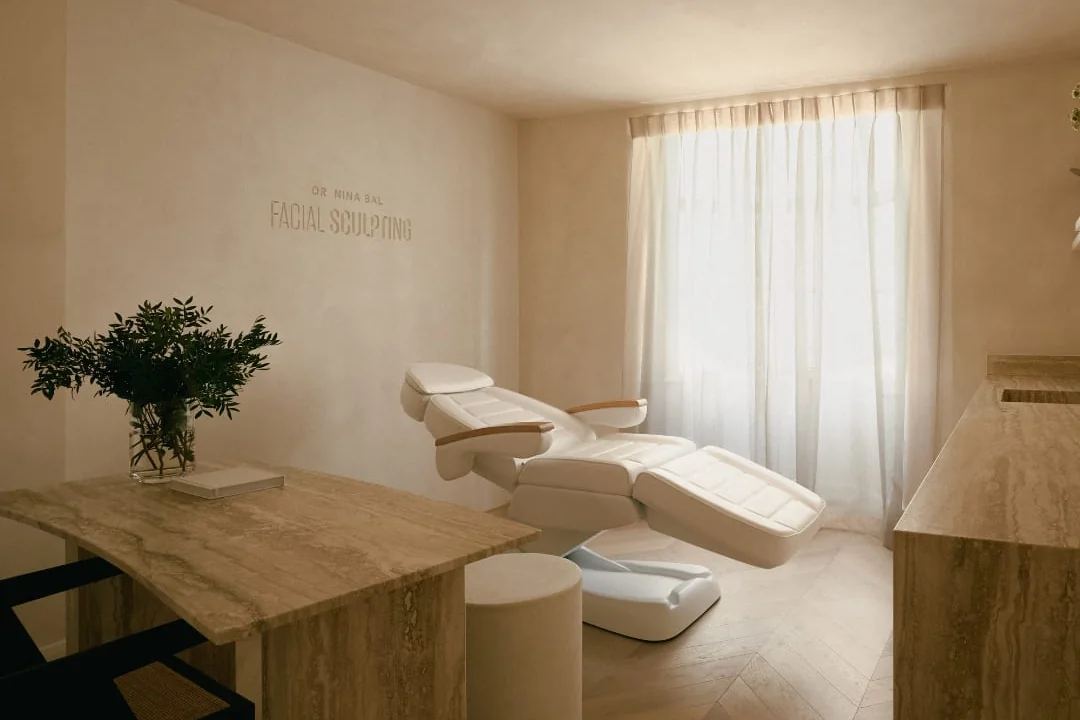
The Collagen Calendar: When to Start Energy Treatments for Christmas, New Year and a Spring Wedding
Collagen builds over months, so your start date decides the result. When to book XERF, EMFACE, HIFU, Endolift and BBL before Christmas or a wedding. London.
Read more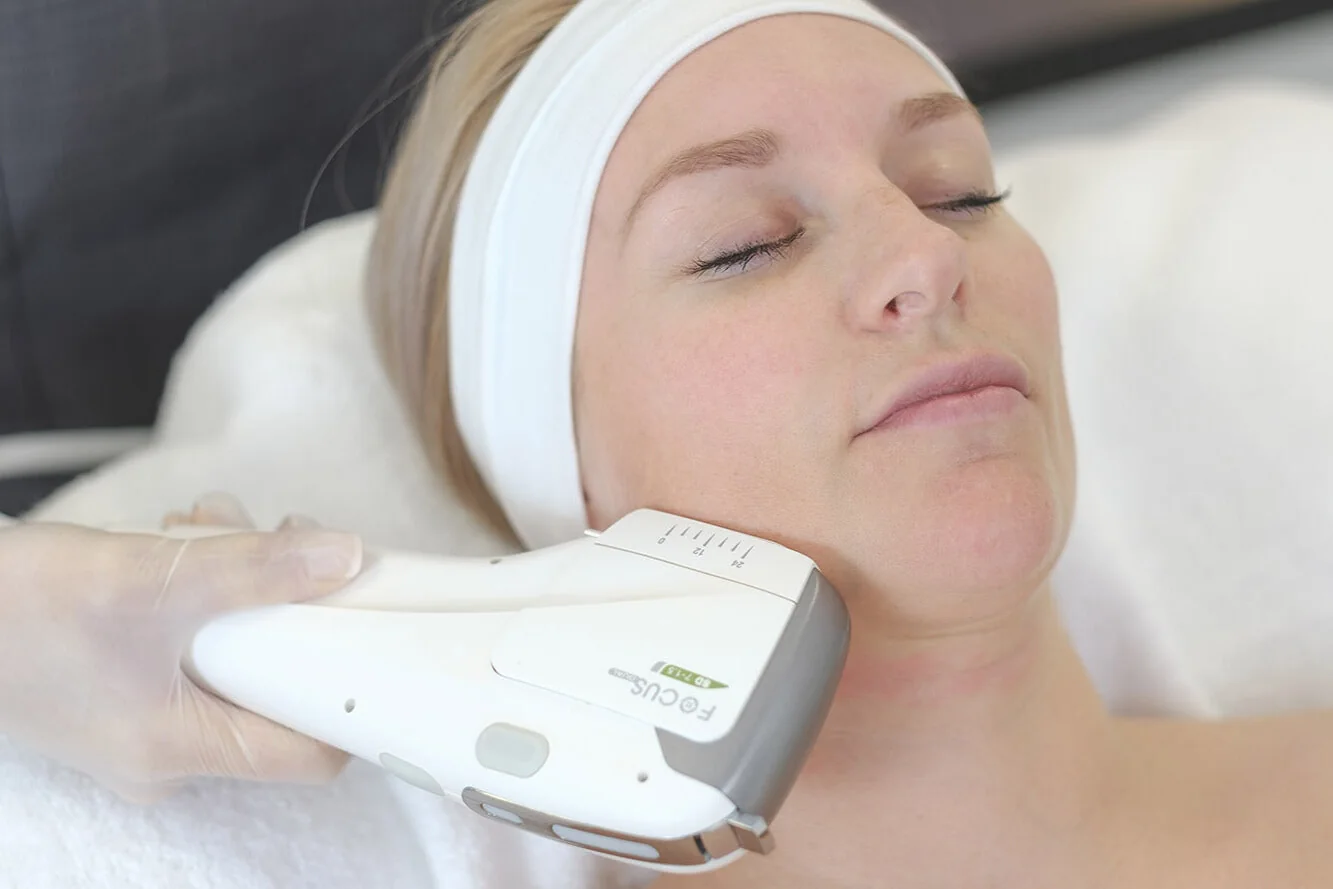
Lift Before You Fill: Why the Answer to a Tired Lower Face Is Often Energy, Not Filler
Jowls and a softer jawline are often lost support, not volume. Why XERF, EMFACE and Endolift often come before filler, and when filler is still right.
Read more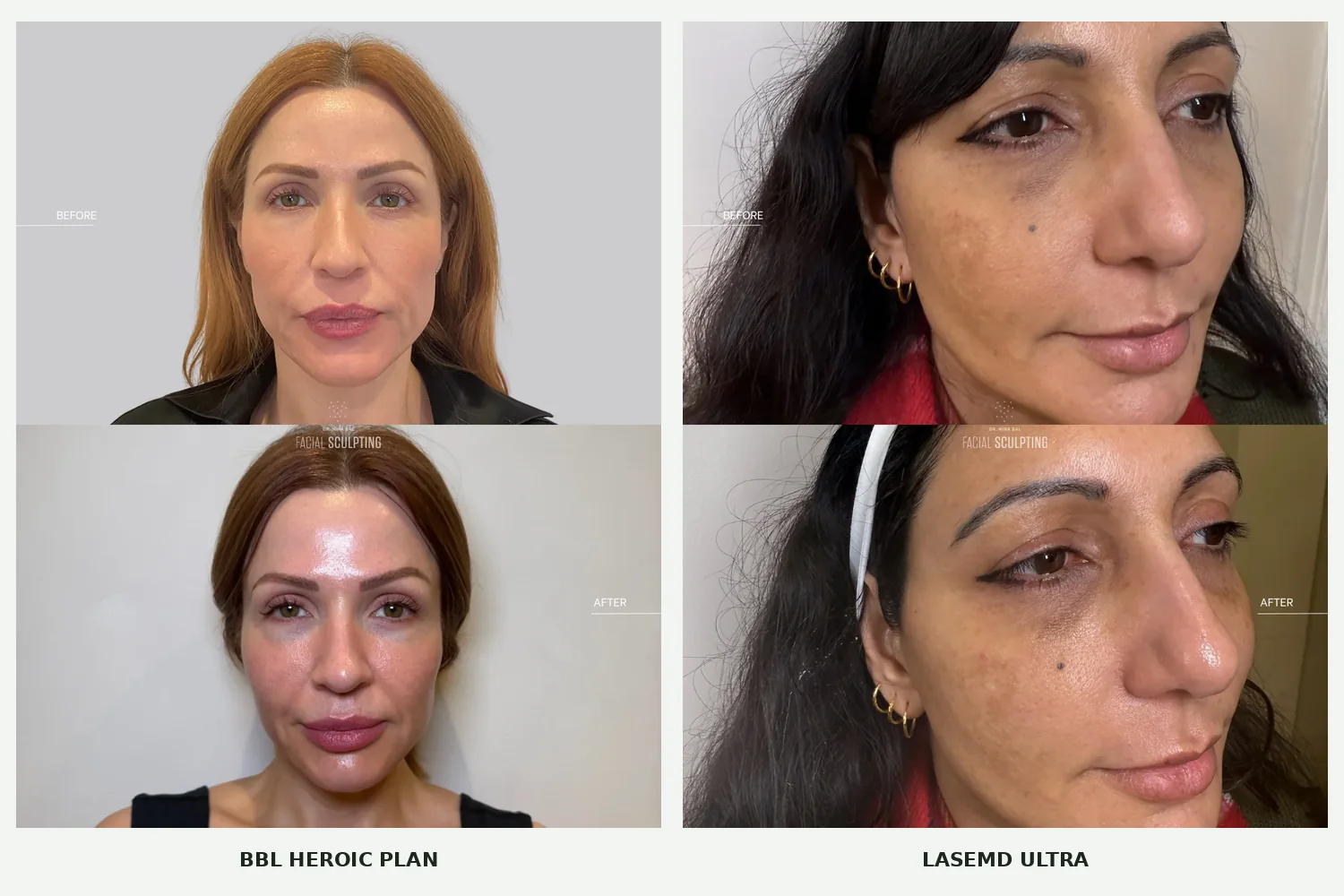
BBL HEROic or LaseMD Ultra? Choosing a Treatment for Pigmentation After Summer
BBL HEROic or LaseMD Ultra for pigmentation? Which suits sun spots, redness, texture and melasma, with downtime, sessions and London prices compared.
Read more