


Journal · Skin Health
BBL HEROic or LaseMD Ultra? Choosing a Treatment for Pigmentation After Summer
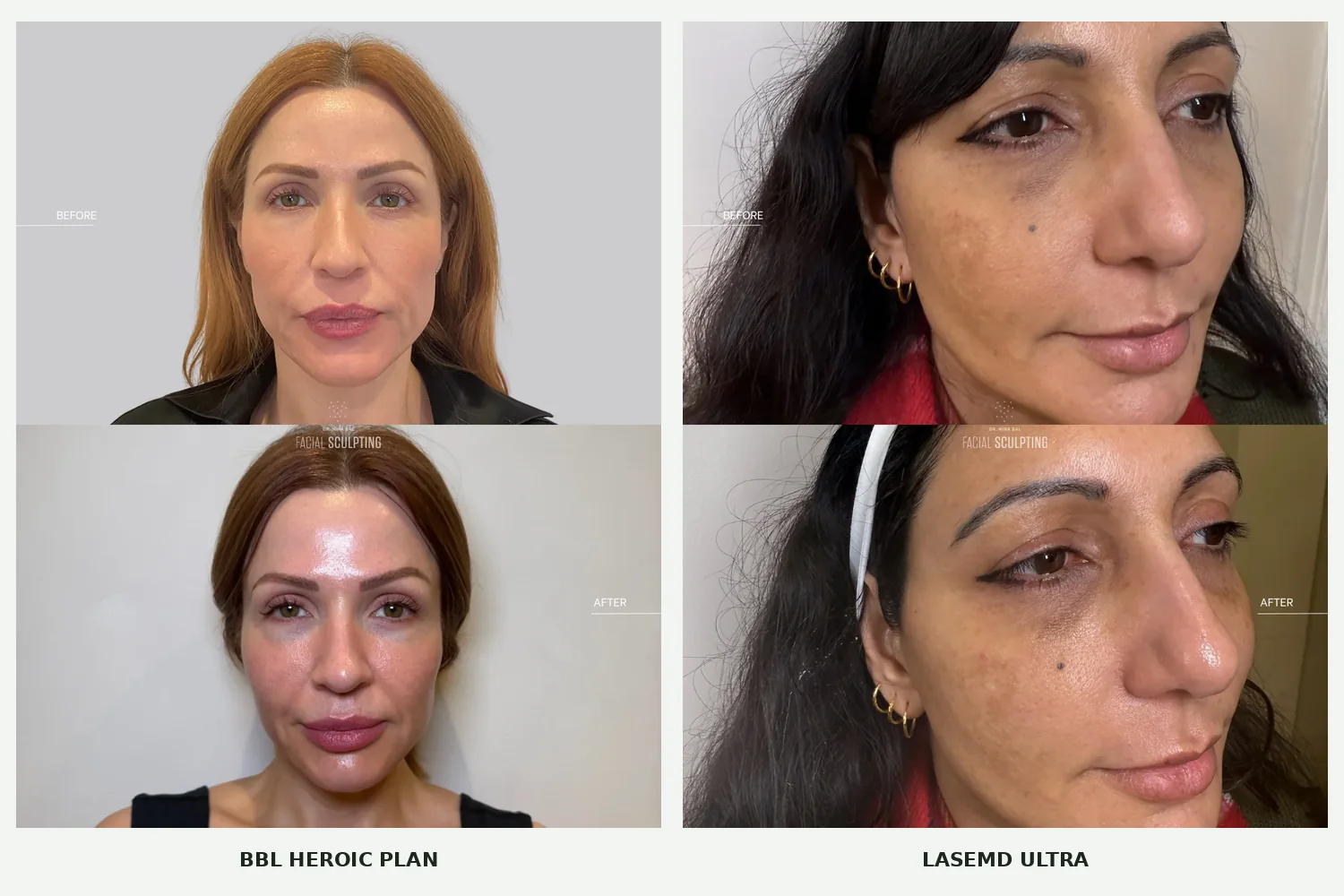
BBL HEROic and LaseMD Ultra both treat pigmentation, but they reach it in different ways and they are best at different versions of the problem. BBL HEROic is broadband light, and it goes after two specific targets: pigment and the tiny blood vessels behind redness. LaseMD Ultra is a thulium laser that renews the upper layers of the skin and carries an active serum in with it, so it improves tone together with texture, fine lines and pores. If your skin is mostly spots and redness, BBL is usually the first answer. If it is dullness, roughness and uneven tone all at once, LaseMD Ultra usually is. Many skins after a summer are a bit of both, which is why the two are so often paired.
Autumn is when this question arrives at the clinic. The summer has brought out pigment that was faint in spring, the tan has faded enough for light and laser to be used safely, and there is time for a course to finish before next year's sun. The useful thing is to know which of the two treatments your skin is asking for before you book either.
Key takeaways
- BBL HEROic targets pigment and redness directly with filtered broadband light.
- LaseMD Ultra resurfaces gently and infuses actives: tone, texture, pores and fine lines together.
- Distinct sun spots and broken capillaries point to BBL. Dull, rough, uneven skin points to LaseMD Ultra.
- Melasma is a special case: BBL is not used routinely; LaseMD Ultra with tranexamic acid is one option for managing it.
- Neither lifts or tightens loose skin, and neither can be done on a recent tan.
- They are often paired, and sequenced rather than stacked on the same day.
How each one works
BBL HEROic, made by Sciton, sends pulses of filtered broadband light into the skin. Filters decide which part of the spectrum reaches it, and the light is absorbed by pigment and by the small vessels that cause redness and flushing. Both are broken down so the body can clear them, while controlled warmth in the deeper layers supports collagen. CoolComfort cooling protects the surface throughout.
Lutronic LaseMD Ultra is a non-ablative thulium laser at 1927nm. Its energy is absorbed by water in the upper layers of the skin, where it leaves an array of microscopic channels. The skin's healing response renews the surface and stimulates collagen, and in the short window before the channels close an active serum is infused: vitamin C, retinol, tranexamic acid or resveratrol, chosen for the skin in front of it.
Put simply, BBL chooses its targets and leaves the rest of the skin alone. LaseMD Ultra renews the whole treated surface and improves whatever is in it.
| BBL HEROic | LaseMD Ultra | |
|---|---|---|
| Technology | Filtered broadband light | Non-ablative thulium laser, 1927nm, with active infusion |
| Best at | Sun spots, brown patches, redness, broken capillaries | Uneven tone, dullness, rough texture, pores, fine lines, active acne |
| Melasma | Assessed individually; not used routinely | One of the options, often with tranexamic acid |
| Session | Around 20 to 30 minutes | Around 20 to 30 minutes, with numbing cream |
| Recovery | Minimal: warmth for an hour, darker spots for a few days | One to three days of redness and light flaking |
| Course | Typically around 3 sessions | 3 to 5 sessions, 4 to 6 weeks apart |
| From | £690 face · £1,290 face, neck & chest · £600 hands | £700 face · £900 face & neck |
Choose BBL HEROic when the problem is spots and redness
Flat brown spots from years of sun, freckling that has darkened, a flush across the cheeks, visible thread veins around the nose: these are BBL's territory, because they are exactly what the light is absorbed by. It also treats the neck, chest and hands, which tend to carry the same sun history as the face and are often forgotten.
The settings matter as much as the device. In MilliOnAir's feature on the clinic, the first session was kept deliberately mild ahead of a beach holiday, treating redness, capillaries and pigment together. The second used a longer pulse width, a higher fluence and the 532+ filter to go after the stubborn patches one by one. As the practitioner put it in the piece, "because we were directly treating the pigment rather than simply performing a more general rejuvenation pass, you had a much stronger visible response afterwards."
Expect the treated spots to look darker for a few days before they flake away. That is the pigment coming up and out, and it is the reason a first BBL session never goes in the week before an event.
Choose LaseMD Ultra when the problem is the whole surface
Some skin does not have a few spots so much as an overall unevenness: a tone that looks patchy in daylight, texture that catches the light, pores that look larger than they did, fine lines and a general dullness. Light that targets pigment alone will not change most of that. A treatment that renews the surface will, and LaseMD Ultra adds a chosen active on top.
It is also the more relevant of the two for melasma. Melasma is hormonally driven, it recurs and it can behave unpredictably with light and heat, which is why BBL is not used for it routinely. LaseMD Ultra, often paired with tranexamic acid, is one of the options for managing it, along with strict daily SPF. Managing is the right word: melasma is not something any treatment clears for good.
A considered next step
Not sure which kind of pigmentation you have?
Sun spots, melasma and post-inflammatory marks can look alike and need different treatment. Skin type and recent sun exposure change the answer too. Dr Nina will assess all three in person before recommending either treatment.
When the answer is both
Most post-summer skin is mixed: a handful of distinct spots on top of a generally uneven, slightly rough surface. That is where pairing works. BBL HEROic deals with the spots and the redness; LaseMD Ultra refines the tone and texture around them. The two are sequenced at consultation, with time between them, rather than done in one visit, and calming Dermalux LED is sometimes added alongside.
What neither will do, and who should wait
Neither treatment lifts, tightens loose skin or adds volume. If the concern is firmness as well as tone, a collagen treatment such as XERF or radiofrequency microneedling belongs in the plan, and the two kinds of treatment do different jobs.
Both need skin that has not recently been tanned or sun exposed, and both are assessed more carefully in deeper or sun-reactive skin types, where light and laser carry a higher risk of pigment change. A recent tan postpones a session rather than adjusting it. Daily high-factor SPF, during the course and after it, is part of the treatment rather than an optional extra.
For more on each treatment on its own, read what BBL HEROic is and what it treats and LaseMD Ultra explained. If you are planning around a date, the collagen calendar shows when to start, and the pigmentation and sun damage and rosacea and facial redness guides cover every option for each concern.
Common questions
Your questions, answered
-
BBL HEROic is broadband light: filtered pulses of light absorbed by pigment and by the small blood vessels behind redness, which are broken down so the body can clear them. LaseMD Ultra is a non-ablative thulium laser at 1927nm that makes microscopic channels in the upper skin to trigger renewal and collagen, then infuses an active serum through those channels. BBL is the more direct treatment for spots and redness. LaseMD Ultra is the broader treatment for tone together with texture, fine lines and pores.
-
For distinct brown spots, BBL HEROic is usually the more direct first move, because the light is absorbed by the pigment itself. In the MilliOnAir feature on the clinic, the second session used the 532+ filter to target individual areas of pigmentation directly. LaseMD Ultra also improves pigmentation, and suits skin where the spots sit alongside rough texture, dullness or enlarged pores.
-
BBL HEROic. Its light targets the small blood vessels behind facial redness and flushing as well as pigment, which is why it also features on the rosacea and facial redness guide. LaseMD Ultra is a tone and texture treatment and is not the treatment chosen for visible vessels.
-
Melasma is hormonally driven, recurring and can be unpredictable with light and heat, sometimes worsening. It is assessed individually rather than treated routinely with BBL. LaseMD Ultra is one of the options used for melasma, often paired with tranexamic acid, but it manages the condition rather than clearing it for good, and daily SPF is part of the treatment.
-
BBL HEROic sessions take around 20 to 30 minutes, with warmth for 30 to 60 minutes and darker spots for a few days before they flake; a course is typically around three sessions. LaseMD Ultra sessions also take around 20 to 30 minutes, with one to three days of redness and light flaking; a course is three to five sessions, four to six weeks apart.
-
At Facial Sculpting, BBL HEROic is from £690 for the face, £1,290 for the face, neck and chest, and £600 for the hands. LaseMD Ultra is from £700 for the face and £900 for the face and neck. Both are courses, so the course is the figure to plan around, and your exact plan and price are confirmed at consultation.
-
Yes, and they are often paired: BBL HEROic for spots and redness, LaseMD Ultra for overall tone, texture and pores. They are sequenced at consultation rather than done on the same day by default, so each has time to settle.
Keep reading
Related reading
What Is BBL HEROic? The Sciton Light Treatment Explained
What BBL HEROic actually is, how broadband light clears pigment and redness, how it differs from IPL and laser, and who it does not suit. Dr Nina Bal, London.
Read more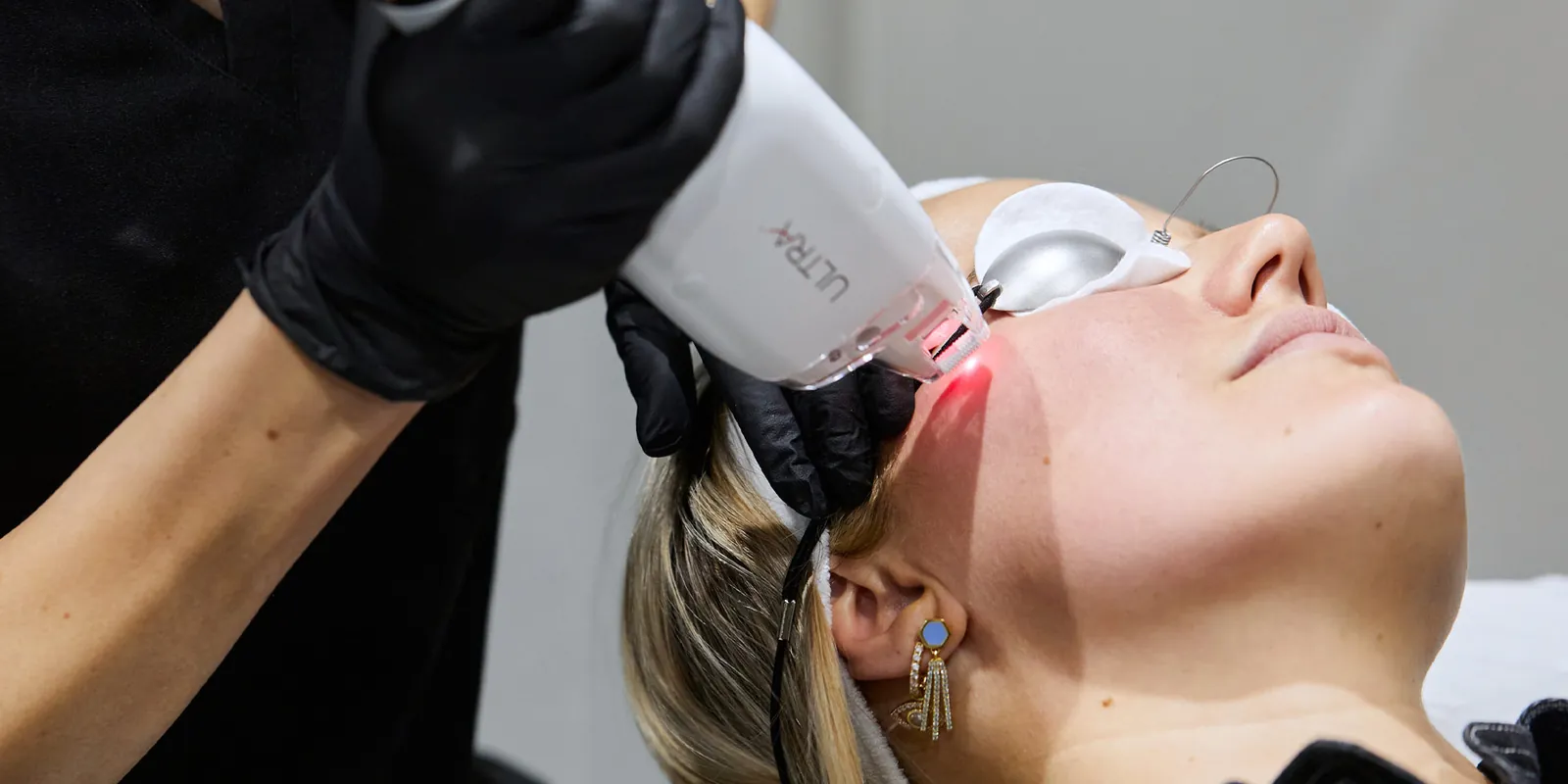
LaseMD Ultra, Explained: What the Thulium Laser Treats and What It Will Not
What Lutronic LaseMD Ultra does to skin, how the thulium laser and active infusion work, downtime, how many sessions, cost and who it does not suit. London.
Read more
Dr Nina Bal featured in MilliOnAir on BBL HEROic, the 'Ferrari' of skin treatments
In the Autumn 2026 issue of MilliOnAir, Juliet Herd tries Sciton's BBL HEROic at Facial Sculpting on the sun damage left by an Australian childhood. Two sessions, two approaches: a gentle first pass before a beach holiday, then a targeted one with the 532+ filter on stubborn brown patches. "It's like an MOT for the skin," Dr Nina promised.
Read more