


Journal · Skin Health
What Is BBL HEROic? The Sciton Light Treatment Explained
BBL HEROic is a light-based skin treatment made by Sciton, and BBL stands for BroadBand Light. It sends pulses of filtered broadband light into the skin, where the energy is absorbed by two specific targets: unwanted pigment, and the tiny blood vessels behind facial redness. Both are broken down so the body can clear them, while controlled warmth in the deeper layers supports collagen. HEROic is the most recent generation of the platform, with software that delivers the light quickly and precisely and CoolComfort cooling protecting the skin surface throughout.
It is used for sun damage, brown spots, redness, rosacea, surface capillaries, uneven tone and dullness. It is not a lifting treatment and it will not tighten loose skin. This guide explains what the light is actually doing, how BBL differs from IPL and from a resurfacing laser, and the situations in which Dr Nina Bal would tell you to have something else instead. It is general information rather than personal advice.
Key takeaways
- BBL means BroadBand Light, a Sciton platform. It is not the surgical procedure with the same initials.
- The light targets pigment and small vessels, so it treats tone and clarity, never laxity.
- Most patients have a course of around three sessions, with visible change often after one or two.
- Recently tanned skin is a reason to postpone, which is why autumn and winter suit it better.
- Results are not permanent, because new sun exposure creates new pigment. SPF is part of the treatment.
What does BBL stand for, and why the confusion?
BBL stands for BroadBand Light. It is Sciton's name for its light-based skin platform, and HEROic is the latest evolution of it. The confusion is understandable, because the same three letters are widely used for a surgical body procedure that has nothing to do with skin light treatment. If you are searching for BBL in London, it is worth checking which one a clinic means before you enquire.
The second common mix-up is with lasers. A laser emits a single, precise wavelength of light. BroadBand Light emits a broad spectrum, which is then filtered so that only the wavelengths useful for your particular concern reach the skin. That flexibility is the point: one platform can be tuned towards brown pigment on one pass and towards redness on another.
What is actually happening in the skin?
Light is absorbed selectively. Different structures in the skin soak up different wavelengths, and BBL uses that to reach a target without damaging everything around it.
| Target | What the light does | What you see afterwards |
|---|---|---|
| Melanin in sun spots and brown patches | Pigment absorbs the light energy and the cluster is broken up | Spots often look darker for a few days, then flake away |
| Haemoglobin in small surface vessels | The vessel absorbs the energy and collapses, then clears | Redness and thread veins gradually fade over weeks |
| The deeper dermis | Controlled warmth supports the skin's collagen response | Tone and texture improve quietly over the following weeks |
That first line explains something patients are often unprepared for. Pigmented spots temporarily look worse before they look better. They darken, sit as fine coffee-ground specks for a few days, then shed as the skin renews. That is the treatment working, not a reaction to it, and it is why we tell people to keep a clear diary week rather than book a session two days before an event.
What does BBL HEROic treat well?
The treatment earns its place on a specific set of concerns, and the list is worth reading as much for what is missing from it as for what is on it.
- Sun damage, age spots and sunspots. The core indication, and the one where a single session most often produces a visible difference.
- Brown patches and uneven tone. Diffuse discolouration that makes skin look tired regardless of how well it is looked after.
- Redness, rosacea and surface broken capillaries. Treated on a different setting from pigment, often in the same session.
- Dullness. Clearer skin reflects light differently, which reads as radiance rather than as a treatment.
- The hands, neck and chest. Sun exposure is not limited to the face, and these areas are often the giveaway. They can be treated together.
At Facial Sculpting it is offered for the face, for the face, neck and chest together, and for the backs of the hands. The wider set of options for tone and clarity sits under advanced laser and radiofrequency treatments, and the concern itself is covered on the pigmentation and sun damage page.
Session length
Around 20 to 30 minutes, no anaesthetic needed.
Downtime
Minimal. Warmth for 30 to 60 minutes, then a few days of darkened spots before they flake.
Course
Typically around three sessions, with visible change often after one or two.
What it does not do
Stating the limits is part of the assessment rather than small print.
- It does not lift, and it does not tighten significant laxity. It improves tone and clarity. If your concern is a softening jawline, that is Endolift® or EMFACE® territory.
- It does not add volume and it is not a substitute for injectable contouring or skin boosters.
- It cannot be used safely on recently tanned or sun-exposed skin.
- Some pigmentation, melasma in particular, can behave unpredictably with light and may need a different approach.
- It does not stop future sun damage. Without daily SPF, the pigment simply comes back.
BBL HEROic compared with the alternatives
There is no single best treatment for skin tone, only the right one for your skin, your pigment type and how much downtime you can absorb. This is how the options at the clinic line up.
| Approach | Best for | How it works | Downtime |
|---|---|---|---|
| BBL® HEROic™ | Pigmentation, redness and sun damage | Non-invasive broadband light | Minimal |
| Lutronic LaseMD Ultra | Pigmentation, tone, texture and resurfacing | Non-ablative thulium laser | Minimal, around 1 to 3 days |
| PRX-T33 peel | Brightening, tone and firmness with no needling | Topical chemical peel | Minimal |
| AlumierMD peels | Tone, texture and congestion | Chemical peel | Minimal to mild |
| Dermalux LED | Calming redness and supporting skin health | Non-invasive LED light | None |
| Radiofrequency microneedling | Texture, firmness and scarring | Minimally invasive RF microneedling | Minimal |
In practice these are combined more often than they are chosen against each other. BBL HEROic is frequently paired with resurfacing such as LaseMD Ultra, or with Dermalux LED to calm the skin, as part of a plan sequenced at consultation.
A considered next step
Not sure whether your pigmentation is a job for light, a peel or a laser?
Skin type, pigment type and recent sun exposure all change the answer, and all three need looking at in person. If light is the wrong route for your skin, that is what you will be told.
Who should not have BBL HEROic?
Light-based treatment is safe when the assessment is done properly, and the assessment is largely about ruling people out. These are the situations that mean postponing or choosing something else.
- A recent tan or sun exposure on the treatment area. Non-negotiable, for safety.
- Very deep or sun-reactive skin tones. Assessed individually, because pigment safety governs the settings.
- Active infection, a cold sore or a skin condition in the area. Wait until the skin has settled.
- Pregnancy or breastfeeding, subject to clinic policy.
- Recent isotretinoin (Roaccutane) or photosensitising medication. Timing matters and needs reviewing.
- Melasma, which may need a different approach entirely.
The common, temporary effects are warmth, redness, mild swelling and the darkening of pigmented spots before they clear. Less common effects, including blistering and temporary lightening or darkening of the skin, are more likely on sun-exposed or unsuitable skin, which is precisely why the questions about your last holiday are not small talk.
When is the best time of year to have it?
Autumn and winter, for most people. UV levels are lower, you are less likely to be carrying a tan, and there is less risk of new pigment forming while the skin recovers. Booking a course as the summer ends is the pattern that fits British light, and it is why light and laser work tends to fill the clinic diary from September onwards.
If you have just come back from somewhere sunny, let the tan fade completely before your assessment rather than turning up hopeful. What summer does to skin, and what is worth doing about it, is covered in more depth in what summer actually does to your skin.
What it costs at Facial Sculpting
BBL HEROic starts from £690 for the face, £600 for the hands and £1,290 for the face, neck and chest treated together. A course is usually recommended for the most even result, and your plan and price are confirmed at consultation after your skin has been assessed. The full price list is published on the site.
Dr Nina introduced Sciton's BBL HEROic to the South Kensington clinic and has since discussed it in The Telegraph and Consulting Room. The full BBL HEROic treatment page carries the complete clinical detail, pricing and aftercare.
If sun damage or redness is the thing you notice first in photographs, an assessment will tell you whether light is the right tool for it. Book a consultation at our South Kensington clinic, or message us on WhatsApp.
Common questions
Your questions, answered
-
No, and the shared initials cause real confusion. In skin medicine BBL stands for BroadBand Light, a light-based treatment made by Sciton for pigmentation, redness and sun damage. It has nothing to do with the surgical procedure that shares the abbreviation. If you are searching for BBL treatment in London, check which one a clinic means before you enquire.
-
They belong to the same family, in that both use pulses of filtered broadband light rather than a single laser wavelength, but they are not the same. BBL is Sciton's platform, and HEROic is its most recent generation, with software that controls how the energy is delivered and CoolComfort cooling protecting the skin surface throughout. The practical differences that matter to you are how precisely the settings can be matched to your skin and how comfortable the session is.
-
Typically a course of around three, spaced a few weeks apart, though many patients see a visible difference after one or two. Each session takes roughly 20 to 30 minutes. How many you actually need depends on how much pigment and redness there is to clear, and is confirmed at your consultation rather than sold as a package up front.
-
No anaesthetic is needed. Most people describe each pulse as a brief flick of warmth, often compared to a light elastic band snap, with CoolComfort cooling protecting the skin surface throughout. Afterwards the skin feels warm, like mild sunburn, usually for 30 to 60 minutes.
-
No. Recently tanned or sun-exposed skin is a safety reason to postpone, because the light is absorbed by pigment and a tan changes how much energy the skin takes up. Let a tan fade fully first. This is also why light-based treatment is usually planned for autumn and winter rather than mid-summer.
-
Sometimes, but melasma is unpredictable with light-based treatment and can worsen, so it is assessed individually rather than treated routinely. If melasma is your main concern, expect Dr Nina to discuss a different or combined approach before recommending BBL.
-
Results are not permanent, because new sun exposure and ordinary ageing create new pigment over time. Most patients keep their skin clear with periodic maintenance sessions and consistent daily SPF. How long you go between top-ups depends on your skin and how well you protect it.
-
At Facial Sculpting, BBL HEROic starts from £690 for the face, £600 for the hands and £1,290 for the face, neck and chest treated together. The exact plan and price are confirmed at consultation after your skin has been assessed, and our full price list is published on the site.
Keep reading
Related reading
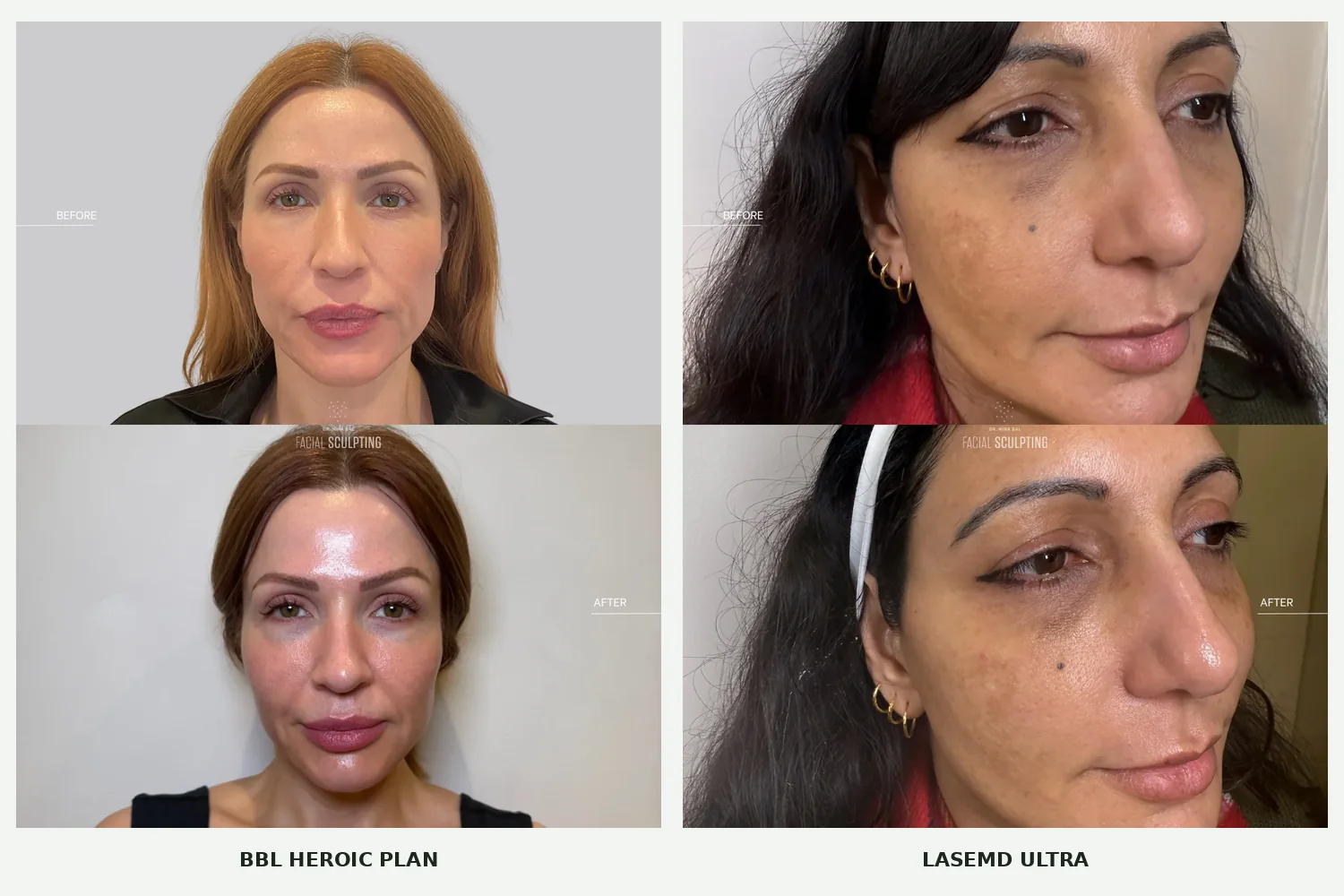
BBL HEROic or LaseMD Ultra? Choosing a Treatment for Pigmentation After Summer
BBL HEROic or LaseMD Ultra for pigmentation? Which suits sun spots, redness, texture and melasma, with downtime, sessions and London prices compared.
Read more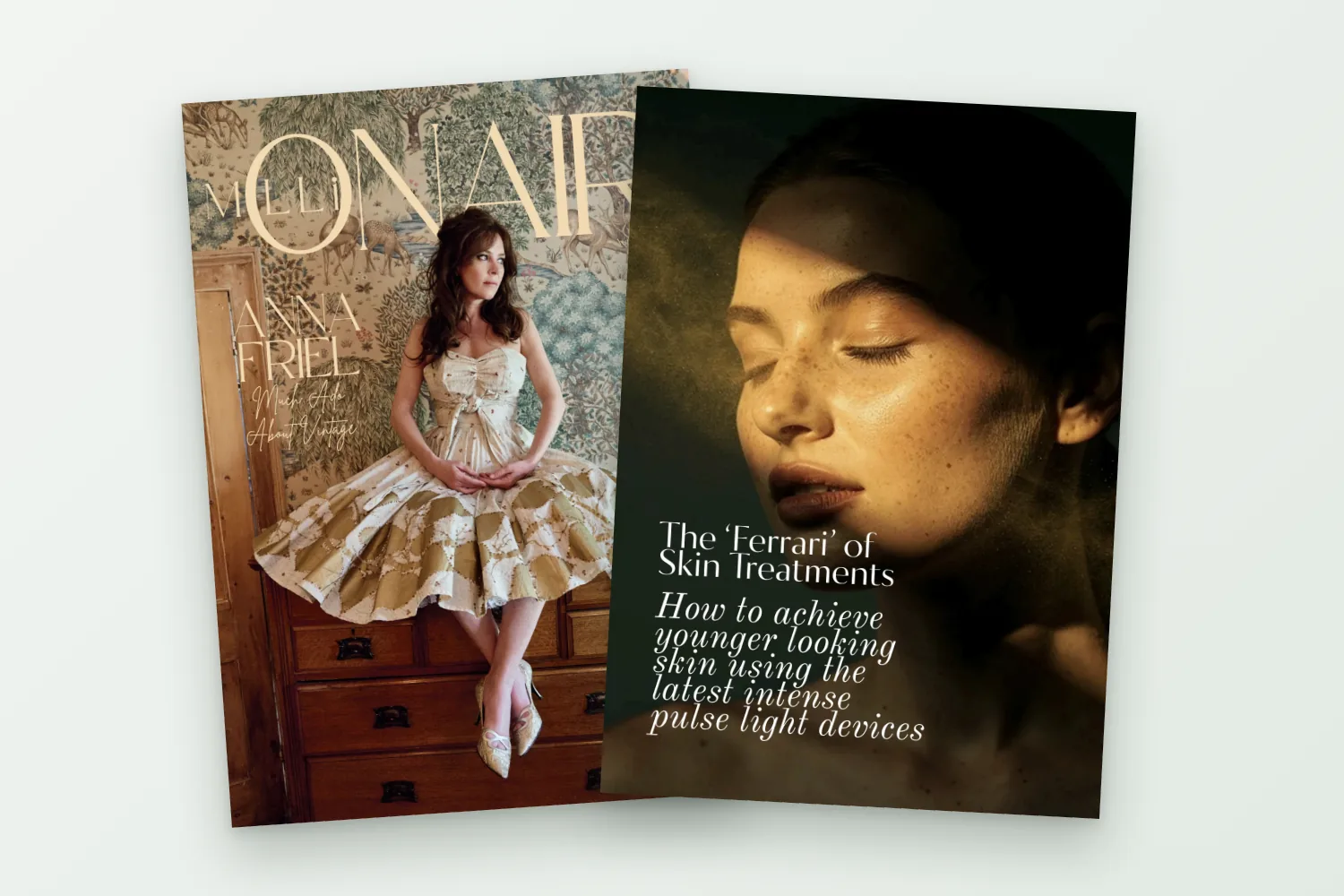
Dr Nina Bal featured in MilliOnAir on BBL HEROic, the 'Ferrari' of skin treatments
In the Autumn 2026 issue of MilliOnAir, Juliet Herd tries Sciton's BBL HEROic at Facial Sculpting on the sun damage left by an Australian childhood. Two sessions, two approaches: a gentle first pass before a beach holiday, then a targeted one with the 532+ filter on stubborn brown patches. "It's like an MOT for the skin," Dr Nina promised.
Read more
What Summer Actually Does to Your Skin
Dr Nina Bal explains what UV, heat and dehydration really do to your skin over a British summer, and which evidence-based treatments help it recover.
Read more