


Journal · Skin Health
LaseMD Ultra, Explained: What the Thulium Laser Treats and What It Will Not
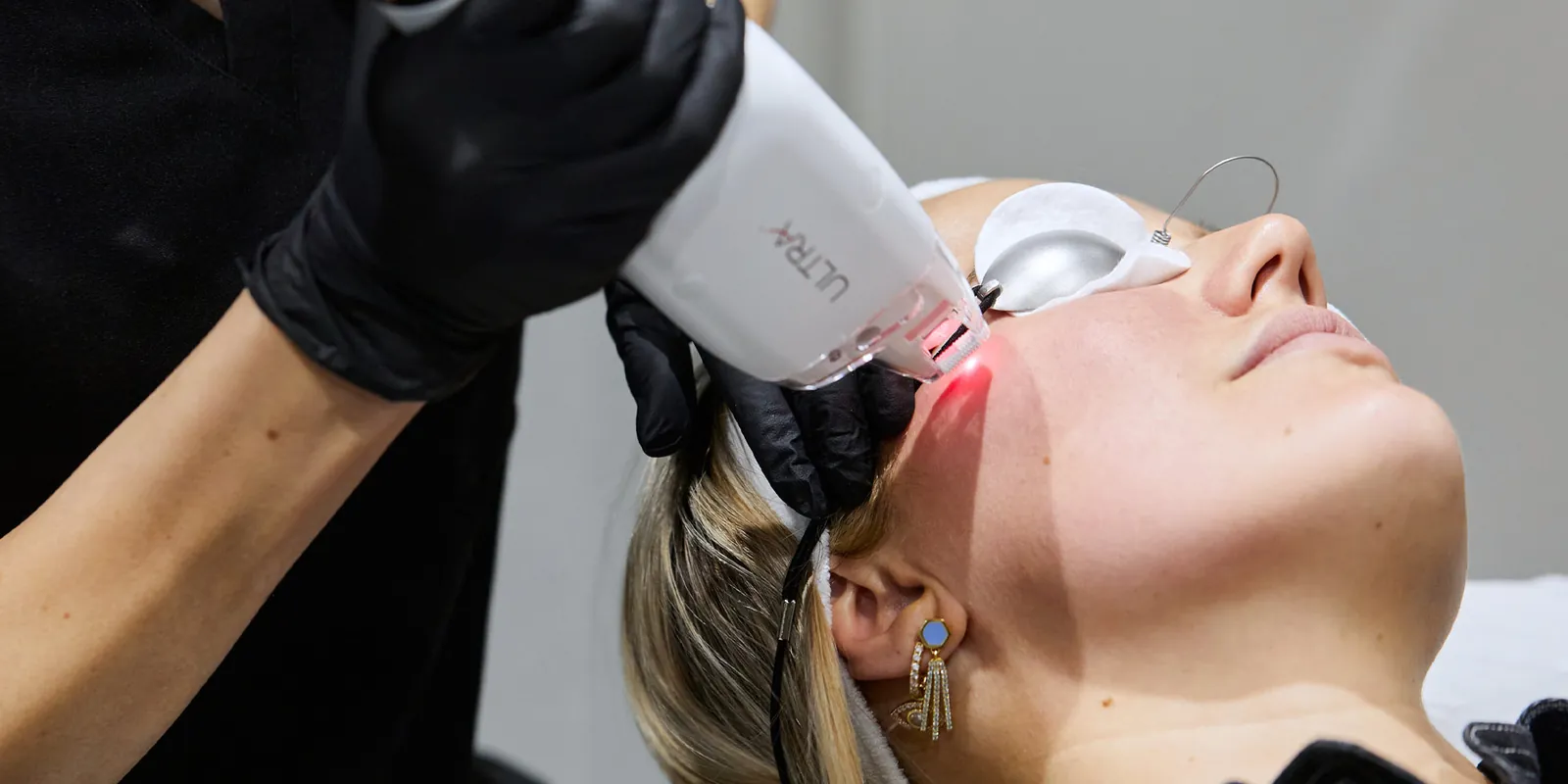
Lutronic LaseMD Ultra is a non-ablative thulium laser at 1927nm: it creates microscopic channels in the skin that stimulate collagen and cell renewal, and then infuses a chosen active serum through those same channels. It is used for tone, pigmentation, sun damage, fine lines, large pores and active acne. It is from 700 pounds for the face and from 900 pounds for the face and neck at our South Kensington clinic, it works as a course of three to five sessions four to six weeks apart, and downtime is around one to three days of redness and light flaking. It does not lift, it does not tighten loose skin, and it cannot be done on a fresh tan.
Autumn is when this treatment starts to make sense to people. A summer of sun has left tone patchier than it was in May, pigment that was faint in spring has darkened, and the skin generally looks less even than it feels. That is the moment resurfacing work becomes both wanted and safe, because the one thing a laser cannot do is treat skin that has just been in the sun. This guide covers what LaseMD Ultra does at Facial Sculpting, how Dr Nina Bal and the team use it, and the cases where we say another route is the better spend.
Key takeaways
- A non-ablative thulium laser at 1927nm: gentle resurfacing, not surface removal, so recovery is short.
- The microscopic channels do two jobs: they trigger collagen and renewal, and they carry an active serum into the skin.
- The actives used are Vitamin C, retinol, tranexamic acid and resveratrol, chosen per skin rather than per patient list.
- It treats tone, pigmentation, sun damage, fine lines, pores and active acne. It does not treat laxity.
- A course of three to five sessions, up to six, four to six weeks apart, around twenty to thirty minutes each.
- From 700 pounds for the face, from 900 pounds for the face and neck. A course is the figure to plan around.
- A recent tan postpones it. Diligent daily SPF is part of the treatment, not an optional extra.
What the laser actually does to the skin
Thulium at 1927nm is absorbed strongly by water in the upper layers of the skin, which is why it works where pigment and texture problems live rather than deep under them. The pass leaves an array of microscopic channels, and the skin responds to those channels the way it responds to any small controlled injury: it repairs them, and the repair lays down fresh collagen and turns over cells that had been sitting there looking dull and uneven.
Because it is non-ablative, the surface layer is not removed. That is the trade the whole treatment is built around. An ablative laser changes more in one visit and asks for a week or more of genuine recovery; LaseMD Ultra changes less per visit, asks for one to three days, and gets to the same kind of place over a course. For most people with a job and a diary, that is the more usable deal.
The part that is easy to miss: the active infusion
The channels close over the hours after treatment, and for that short window the skin is far more permeable than it will ever be across an intact barrier. That is the window the infusion uses. Immediately after the laser pass a selected active serum goes on: ascorbic acid for brightening and antioxidant support, retinol for renewal, tranexamic acid where pigment is the main event, or resveratrol.
Which one you get is a clinical decision, not a menu choice. Pigment-led skin and texture-led skin want different things, and the same face can want different actives at different points in a course. This is the part of the treatment that most rewards being assessed properly, and it is the reason two people can have the same laser settings and a different serum.
Who it suits, and who it does not
It tends to suit uneven tone, pigmentation, sun damage and melasma, fine lines, rough texture or enlarged pores, active acne, and a dull, tired-looking complexion, in someone who wants real laser resurfacing without a week indoors and is prepared to do a course of three to five sessions rather than one appointment.
It is the wrong treatment, or the wrong moment, if the skin has a recent tan or sun exposure, if there is an active infection, cold sore or skin condition in the area, during pregnancy or breastfeeding subject to clinic policy, after recent isotretinoin or on photosensitising medication, or if what you actually want is a lift, a contour change or a surgical-level result. Very deep or sun-reactive skin tones are assessed individually for pigment safety, and sometimes the answer is another treatment.
What the course looks like from the chair
The skin is cleansed, topical numbing cream goes on, and protective eyewear is fitted. The laser pass takes around twenty to thirty minutes. Most people describe warmth and a prickling sensation rather than pain. The active serum is infused, aftercare is explained, and the rest of the course is booked out at four to six week intervals, because that gap is what lets collagen actually rebuild between sessions.
On the day the skin feels warm and looks flushed, like a light sunburn, and that starts settling within hours. Across days one to three the redness eases and the skin may feel rough or flake gently as it renews; make-up goes back on once it has calmed. Over weeks one to four it looks brighter, smoother and more even as collagen and cell turnover respond. Then the next session builds on that. Results develop progressively rather than arriving on the day, which is the single most common expectation to correct before someone books.
What it will not do
It does not lift, it does not tighten significant laxity and it does not add volume. If skin has genuinely loosened, tone work will make it look better and will not make it tighter, and something like Endolift or radiofrequency microneedling is the recommendation we would actually make. Some pigmentation, melasma in particular, recurs and needs ongoing management rather than a course and a finish line. And nothing here is permanent: skin keeps ageing and the sun keeps adding pigment, so results are long-lasting rather than fixed, and SPF is what protects the money you spent.
How it compares with the other routes for tone
For pigmentation and redness specifically, BBL HEROic broadband light is the direct comparison and often the better first move, and the two are frequently paired. For texture, firmness and scarring, radiofrequency microneedling does more than LaseMD Ultra because it adds heat. For texture and fine lines with needling alone, Skin Pen is the gentler and cheaper option. For brightening with no needling at all, the PRX-T33 peel. LaseMD Ultra sits where you want genuine laser resurfacing of tone and texture with short recovery, plus the active infusion that none of the others offer.
Where to start
A consultation comes first, and for a laser it is not a formality: it is where skin type and recent sun exposure are assessed, medical history and contraindications are reviewed, realistic outcomes are set out, and your plan and price are confirmed. If LaseMD Ultra is not the right or the safest option for your skin, you will be told so and given the alternative. The full detail on the treatment, the pricing and the before-and-after results sits on the Lutronic LaseMD Ultra treatment page, and you can book a consultation from there or ask a question first.
Common questions
Your questions, answered
-
It is a non-ablative thulium laser at 1927nm. The laser is passed across the skin and creates an array of microscopic channels, which trigger the skin's own healing response and stimulate collagen production and cellular renewal. Those same channels then let a chosen active serum be infused straight into the skin. Non-ablative means it resurfaces without removing the surface layer, which is why the recovery is short.
-
Ascorbic acid (Vitamin C), retinol (Vitamin A), tranexamic acid and resveratrol. They are infused through the channels immediately after the laser pass, to add brightening, antioxidant and renewing effects on top of the laser work. Dr Nina selects the active that suits your skin and your concern rather than applying the same one to everyone.
-
Uneven tone and pigmentation, sun damage and photoageing, fine lines and crepey texture, enlarged-looking pores and rough texture, active acne and congestion, and a dull complexion. It is a tone-and-texture treatment. It is not a lifting or a volumising treatment, and it will not tighten significant laxity.
-
Minimal. Most patients have redness, warmth and mild peeling or flaking for around one to three days, similar to a light sunburn, and make-up can usually go back on once the skin has calmed. You are given aftercare on the day, and daily high-factor SPF is part of it.
-
A course of three to five, up to six depending on the concern, spaced about four to six weeks apart, with maintenance scheduled as needed. Each session takes around twenty to thirty minutes. The exact number is confirmed at consultation, because it depends on your skin rather than on an average.
-
Because treating recently tanned or sun-exposed skin with any laser raises the risk of a pigment change, which is the opposite of what you came in for. It is one of the clearest reasons we will postpone a session, and it is why autumn, once the summer sun is behind you, is the easier part of the year to start a course.
-
The thulium 1927nm laser can be a thoughtful choice across a range of skin tones, but in deeper or sun-reactive skin any laser carries a higher risk of pigment change and has to be assessed carefully. Settings are adjusted for your skin type, and Dr Nina will recommend an alternative where LaseMD Ultra is not the safer option.
-
No, and it is worth being plain about that. LaseMD Ultra is one of the options used for melasma, often paired with tranexamic acid, but melasma is a complex, recurring condition that needs careful treatment and ongoing management rather than a one-off fix. Sun exposure will bring it back regardless of what was done to the skin.
-
At Facial Sculpting it is from 700 pounds for the face and from 900 pounds for the face and neck together, with the exact plan and price confirmed after consultation. Because a course of three to five sessions is usually recommended, the course rather than the single session is the figure worth planning around.
-
A Target Cool Exosomes facial can be added for extra rejuvenation and repair. It is also often paired with BBL HEROic for pigmentation and redness, or with calming Dermalux LED. Combinations are sequenced at consultation rather than stacked on the same day by default.
Keep reading
Related reading
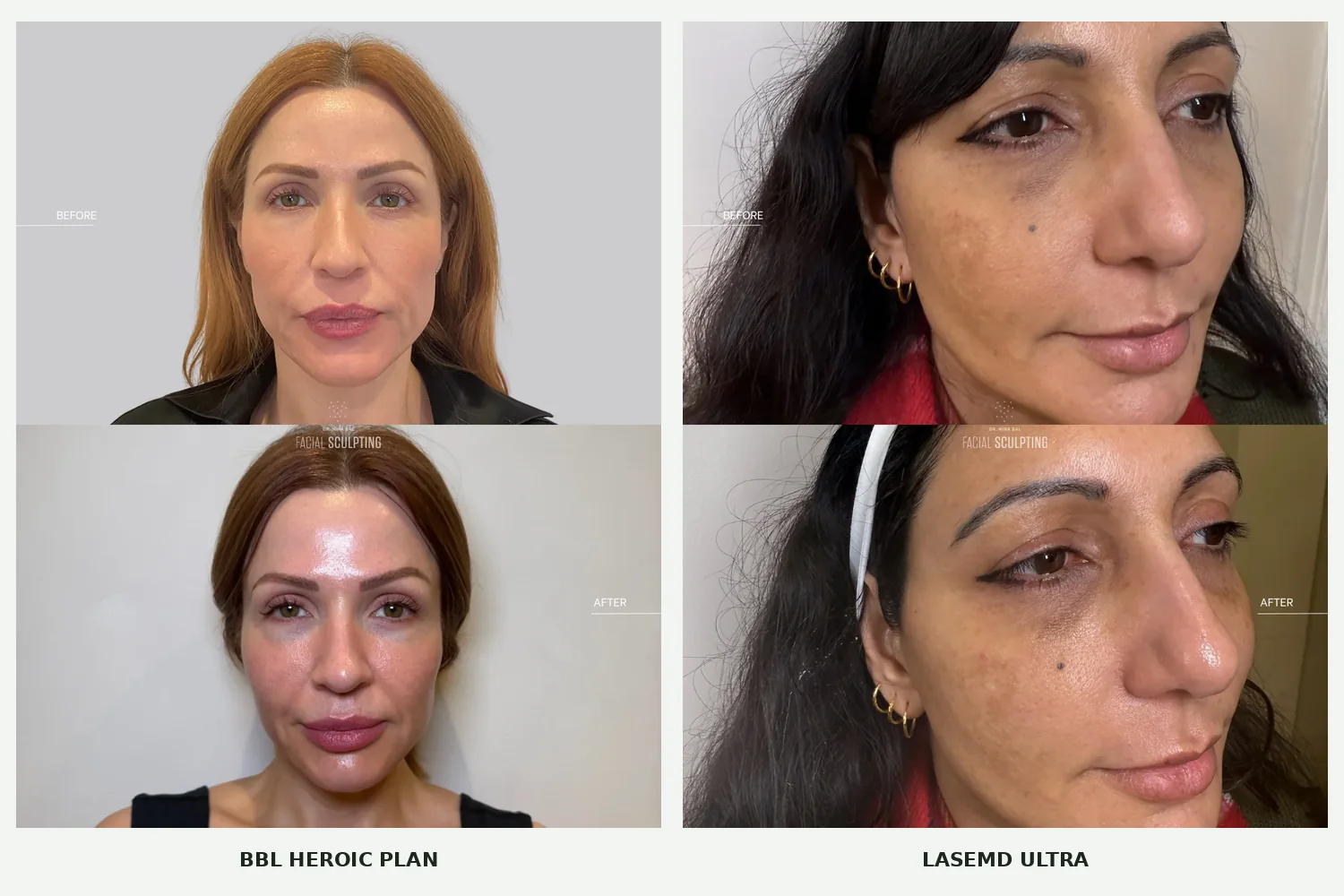
BBL HEROic or LaseMD Ultra? Choosing a Treatment for Pigmentation After Summer
BBL HEROic or LaseMD Ultra for pigmentation? Which suits sun spots, redness, texture and melasma, with downtime, sessions and London prices compared.
Read more
Why Winter is the Ideal Time for Laser & Resurfacing Treatments
As the days grow shorter and the sun’s intensity fades, your skin begins a subtle transition. While the cooler months often prompt us to tuck into cosy jumpers and warm drinks, they also offer a unique window of opportun
Read more
What Is BBL HEROic? The Sciton Light Treatment Explained
What BBL HEROic actually is, how broadband light clears pigment and redness, how it differs from IPL and laser, and who it does not suit. Dr Nina Bal, London.
Read more