


Journal · Skin Health
Jalupro Glow Peel, Explained: What It Treats, Who It Suits and What to Expect

The Jalupro Glow Peel is a topical skin quality treatment that combines a gentle, superficial chemical peel action with amino acids and hyaluronic acid. It is used for dullness, uneven texture, dehydration and early fine lines. There are no needles and no anaesthetic, downtime is minimal, and it is from £250 per session at our South Kensington clinic. It does not add volume, it does not lift, and one session is a glow rather than a result.
Peels are the part of the menu people find hardest to compare, because the word covers everything from a lunchtime brightener to something that takes a week of your life. This guide sets out what the Glow Peel is doing to your skin, what the amino acids are there for, where it sits against the other peels at the clinic, and who should spend their money on something else. The full detail, the suitability list and the booking link live on the Jalupro Glow Peel treatment page.
Key takeaways
- It is a superficial peel combined with amino acids and hyaluronic acid, aimed at radiance, texture and hydration.
- It is topical. Nothing is injected and no anaesthetic is used.
- Downtime is minimal: mild redness or tightness, with occasional light flaking over the following days.
- It works best as a short course, spaced a few weeks apart, then maintenance.
- From £250 per session, confirmed after a skin assessment.
- It improves skin quality. It does not add volume, lift the face or remove deep static wrinkles.
What the treatment is actually doing
Two things happen at once, and the combination is the point of it.
The peel element gently exfoliates and renews the surface of the skin. That is the part that lifts dullness, because a great deal of what reads as a tired complexion is simply the condition of the outermost layer. It is a controlled, superficial action rather than a deep resurfacing, which is why it is comfortable and why the recovery is measured in hours rather than weeks.
The amino acids and hyaluronic acid are the other half. Amino acids are the raw material the skin uses when it rebuilds, and hyaluronic acid is what helps it hold on to moisture. Supporting the skin's own regeneration at the same time as exfoliating it is a different proposition from stripping the surface and leaving it to recover alone, and it is why this peel is usually described as brightening and hydrating rather than resurfacing.
The limit of that is worth stating early. It is working on skin quality. It is not working on the architecture underneath, so nothing about it will change the shape of your face or replace volume that has gone.
Best for
Dullness, uneven or rough texture, dehydration, early fine lines, a lacklustre tone.
Not for
Volume loss, sagging, deep static wrinkles, or anyone wanting a structural change.
Timeline
A glow within days, with texture and tone building session by session over a course.
Who it suits, and who it does not
The Glow Peel tends to suit people who want brighter, smoother, more radiant skin rather than a visible intervention: dullness, a tired complexion, dehydrated skin that needs a hydration boost, early fine lines and a general loss of luminosity. It also suits people who would rather have a gentle treatment with minimal downtime and are happy to follow a short course instead of buying one dramatic session.
There are several situations in which it is delayed or another route is better. Active or inflamed acne, eczema or a rosacea flare in the area. Recent sunburn, a fresh tan or very sun exposed skin. A history of cold sores, which may need prophylaxis first, or a history of keloid scarring. Pregnancy and breastfeeding, subject to clinic policy. Recent resurfacing or the use of certain actives, where the timing has to be assessed. And, plainly, expecting it to add volume, lift skin or remove deep wrinkles, which it will not do.
If what is bothering you is firmness or shape rather than surface quality, the conversation belongs with the energy based treatments instead, and our guide to laser and radiofrequency at the clinic is the better place to start.
How it compares with the other peels here
Nobody should choose a peel from a web page, but arriving at a consultation knowing roughly what each one is for makes the conversation a great deal shorter.
| Treatment | Best for | What it is | Downtime |
|---|---|---|---|
| Jalupro Glow Peel | Radiance and hydration with amino acids | Superficial peel plus amino acids and hyaluronic acid | Minimal |
| AlumierMD peels | Brightness, tone and texture, tailored | Topical chemical peel | Little to none |
| PRX-T33 peel | Brightening and firming with no needles | No needle bio revitalising peel | Minimal, light flaking for a few days |
| Fire & Ice facial | An immediate, pre event glow | Resurfacing clinical facial | None |
| Profhilo | Hydration, firmness and skin quality | Injectable skin booster | Minimal |
Read that as a set of different questions rather than a ranking. The Glow Peel and Profhilo in particular are often discussed together, because deeper hydration and firmness are an injectable job while surface radiance is a topical one, and the two are frequently planned alongside each other rather than instead of each other.
Jalupro also makes three injectable treatments that share the same amino acid chemistry, and the Glow Peel is the only one in the range that is not injected. If you are trying to work out which of them you need, that comparison has its own guide: Jalupro Young Eyes, HMW or Super Hydro.
What a session is actually like
A consultation and skin assessment come first. Dr Nina or the clinical team assess your skin, your concerns, your medical history and your goals, and confirm whether the Glow Peel is suitable or whether another option would be more effective. You are talked through what to expect during and afterwards, and your individual plan and price are confirmed.
On the day the skin is cleansed and prepared so that the peel works evenly. The solution is applied for a carefully timed period, and you may feel mild warmth or tingling that settles quickly. The skin is then soothed, hydrated and protected with SPF, and you leave with aftercare and home care advice and any further sessions in your course planned a few weeks apart.
Afterwards, week by week
Minimal downtime is not the same as nothing to do. Daily SPF is the part that is not optional, because skin is more sensitive to sunlight after any peel and pigmentation changes are the one risk worth taking seriously.
| When | What to expect |
|---|---|
| Day of treatment | Skin may look slightly pink and feel a little tight. This usually settles within hours to a day |
| Days 2 to 4 | Some light flaking or renewal as the surface refreshes. Keep the skin hydrated and protected |
| About one week | Skin typically looks brighter, smoother and more radiant |
| Over your course | Luminosity and texture continue to improve session by session, supported by good home care |
As with any chemical peel there are possible effects: temporary redness, tightness, dryness, mild flaking or sensitivity in the days afterwards. Less commonly, peels can cause temporary changes in pigmentation, particularly without diligent sun protection, which is why suitability and aftercare are discussed in full beforehand and why careful assessment matters more in deeper skin tones. If anything is unexpected after your treatment you can contact the clinic for advice.
What it costs, and what you are buying
The Jalupro Glow Peel at Facial Sculpting is from £250 per session, with your skin assessed first and your course confirmed afterwards. Everything across the clinic is published on the price list.
The useful way to read that number is against what a single session can and cannot do. One peel buys a glow. A short course is what shifts texture and tone, and neither is permanent: results rely on a sensible skincare routine, sun protection and occasional maintenance peels, and they vary with skin type, lifestyle and how consistently the aftercare is followed. A treatment that is sold as a one off cure for dull skin is being oversold, by anyone.
Autumn is the season this comes up most, because summer sun leaves texture and tone to put right and the months ahead are the sensible ones for surface work. If you want to know whether your skin is a peel case at all, that is a question a skin assessment answers quickly and a web page cannot answer. Book a consultation at 313 Brompton Road in South Kensington, or message the clinic on WhatsApp. The full treatment detail sits on the Jalupro Glow Peel page, and the wider picture of what is available for skin quality is in our skin health treatments.
Common questions
Your questions, answered
-
It is a skin quality treatment that pairs a gentle, superficial chemical peel action with amino acids and hyaluronic acid. It is designed to brighten, smooth and hydrate the skin and to improve radiance and texture, without adding volume or changing your facial structure. It is applied to the surface of the skin, so no anaesthetic is needed.
-
Dullness, uneven or rough texture, dehydration, early fine lines and a generally lacklustre complexion. It improves skin quality rather than adding volume or lifting, so it is the right treatment for glow and texture and the wrong one for structural concerns.
-
Downtime is minimal. Because it is a superficial, hydrating peel, most people have only mild redness or a feeling of tightness for a short while, with occasional light flaking over the following days as the skin renews. There is usually no need to take time off, but daily SPF is essential afterwards.
-
A short course, with sessions spaced a few weeks apart, followed by maintenance as needed. Many people notice a fresher glow after a single session, but smoother texture and more even, luminous tone build over a course. Your plan is tailored at consultation.
-
At Facial Sculpting it is from £250 per session. For the best result it is usually recommended as a short course, with maintenance afterwards, and your exact plan and price are confirmed after a skin assessment.
-
The Glow Peel pairs a gentle peel action with nourishing amino acids and hyaluronic acid, so it is particularly focused on radiance and hydration. An AlumierMD peel can be tailored across different acid strengths for tone and texture, while the PRX-T33 peel stimulates the skin from within and can involve light flaking for a few days. Which one suits you is decided at consultation rather than in advance.
-
Yes, with sensible timing. The peel can leave skin looking radiant, but because some people have mild redness or light flaking we usually suggest having it at least several days to a week before an occasion rather than the day before.
-
Most skin types can benefit from it, as it is gentle and hydrating. As with any acid based treatment, suitability in deeper skin tones and sensitive skin is assessed first to reduce the small risk of pigmentation changes, and some active skin conditions mean treatment is delayed or another option recommended.
-
Avoid sun exposure, sunbeds and fresh tanning for at least two weeks beforehand, and expect to be advised to pause retinoids and strong exfoliants for a few days before your appointment. Tell the clinic about any medications, recent treatments or a history of cold sores so the session can be planned safely.
Keep reading
Related reading
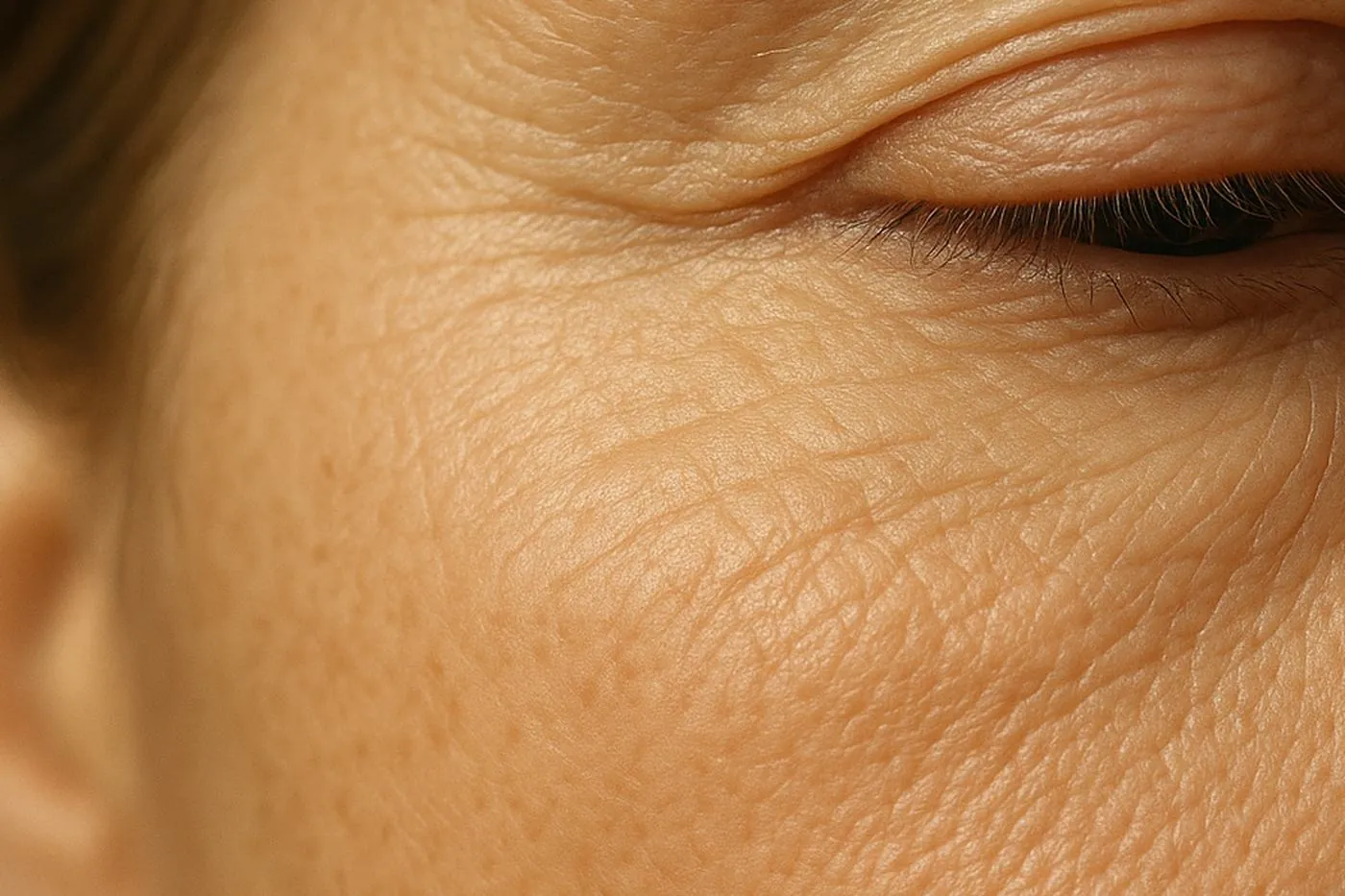
Jalupro Young Eyes, HMW or Super Hydro: Which One Do You Need?
The four Jalupro treatments compared: what Young Eyes, HMW, Super Hydro and the Glow Peel each do, who each one suits, sessions, prices. Dr Nina Bal, London.
Read more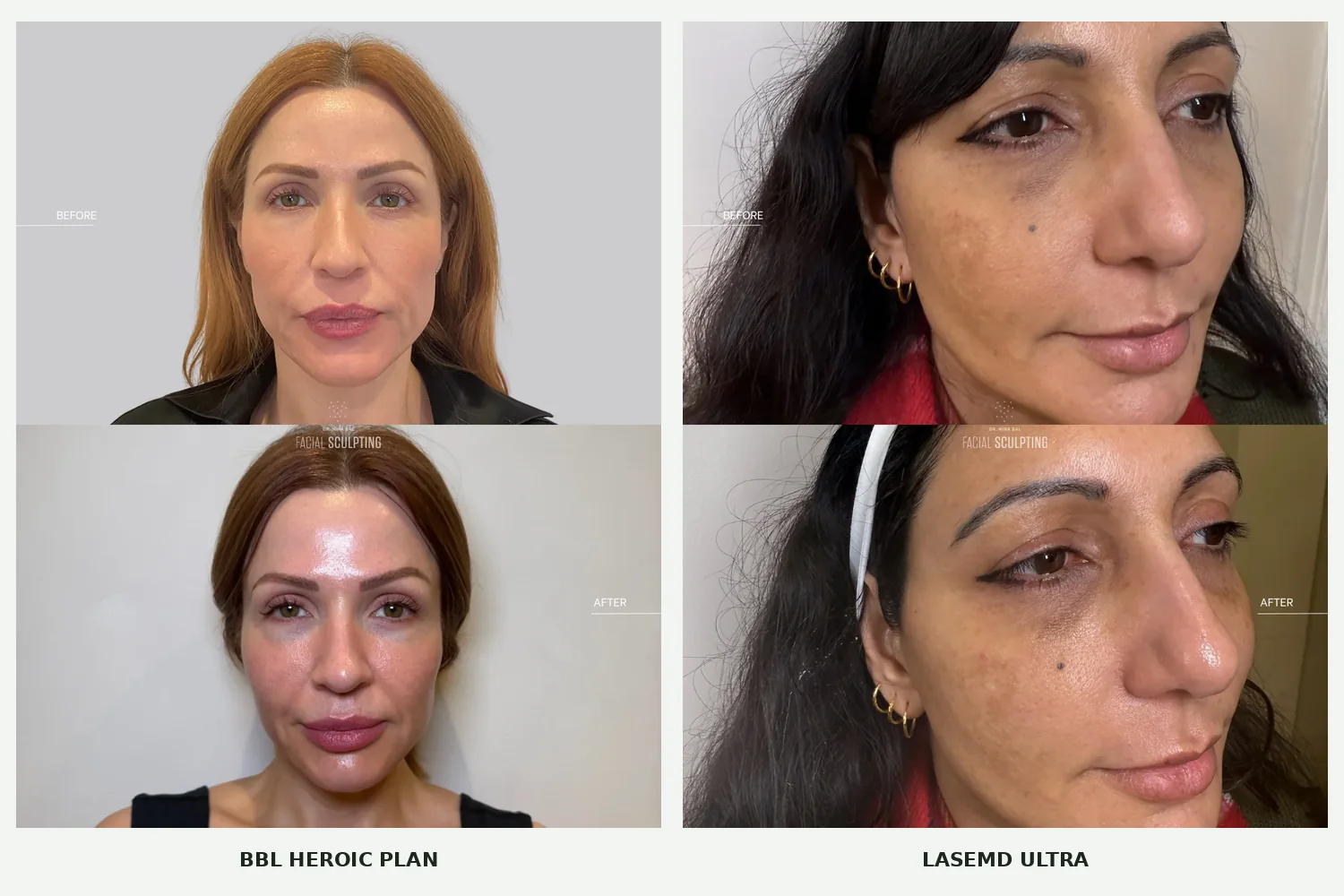
BBL HEROic or LaseMD Ultra? Choosing a Treatment for Pigmentation After Summer
BBL HEROic or LaseMD Ultra for pigmentation? Which suits sun spots, redness, texture and melasma, with downtime, sessions and London prices compared.
Read more
What Summer Actually Does to Your Skin
Dr Nina Bal explains what UV, heat and dehydration really do to your skin over a British summer, and which evidence-based treatments help it recover.
Read more