


Journal · Facial Sculpting
What Is Hyalase? Dissolving and Correcting Filler, Explained

Hyalase is a brand name for hyaluronidase, a prescription-only enzyme that dissolves hyaluronic-acid dermal filler. It is injected into an area of filler, breaks the filler down so the body absorbs it, and is used to correct results that are over-filled, lumpy or have migrated, to start an area again before it is re-treated, and to help manage the rarer filler complications. It does not add volume and it will not improve skin quality. It is a correction and safety tool, not a casual undo button.
Most people who search for it have one of two questions in mind. Either something about their own filler is bothering them and they want to know if it can be reversed, or they are about to have filler and want to know that a way back exists if they dislike it. This guide answers both, using the way Dr Nina Bal assesses and dissolves filler at our South Kensington clinic. It is general information rather than personal advice, and nothing here replaces an in-person assessment.
Key takeaways
- Hyalase is hyaluronidase, an enzyme that breaks down hyaluronic acid.
- It only dissolves hyaluronic-acid filler. It does nothing to permanent or non-HA fillers.
- A patch test is required beforehand, because an allergic reaction to hyaluronidase is possible.
- Filler usually begins to break down within 24 to 48 hours, and the area often recovers in one to two weeks.
- It temporarily affects your own natural hyaluronic acid too, which then replaces itself.
- From £520 per session at Facial Sculpting, after a consultation.
What is Hyalase, and is it the same as hyaluronidase?
They are the same thing under two names. Hyaluronidase is the enzyme; Hyalase is one of the brand names it is sold under. The enzyme has a single job that happens to be very useful in aesthetics: it breaks down hyaluronic acid.
That matters because most modern dermal fillers are made from hyaluronic acid. Inject the enzyme into an area of that filler and it starts to break the gel apart into pieces small enough for the body to clear. The effect of the filler reduces and then goes. In effect, hyaluronidase is the reversal agent for the most common type of filler on the market, which is a large part of why hyaluronic-acid filler became the standard in the first place. A material you can dissolve is a material you can be braver with.
What can Hyalase actually dissolve?
Only hyaluronic acid. This is the single most important limit to understand before you book anything, because it decides whether dissolving is even possible for you.
| Filler type | Made from | Can Hyalase dissolve it? |
|---|---|---|
| Standard dermal filler (lips, cheeks, chin, tear troughs) | Hyaluronic acid | Yes, this is exactly what it is for |
| Skin boosters such as Profhilo or Jalupro | Hyaluronic acid | Yes, though these are spread through the skin, not placed as a bolus |
| Biostimulator and semi-permanent fillers | Other materials, not hyaluronic acid | No, the enzyme has no effect on them |
| Permanent filler | Non-absorbable materials | No, dissolving is not an option |
So the honest first step is establishing what you actually have. Where a patient knows the product and clinic that treated them, that history is gold. Where they do not, which is common, Dr Nina works from the assessment and what is known, and is straight about the fact that non-hyaluronic-acid filler cannot simply be dissolved away. If someone has promised you they can dissolve permanent filler with Hyalase, be wary of the rest of their advice.
Why would you dissolve filler?
The reasons fall into a few groups, and they are not equally urgent.
The commonest is that a result is simply not what was wanted. Filler that looks over-filled, an outline you can feel, a lip that has lost its border, cheeks that read heavier than the rest of the face. None of that is an emergency, but it is a real reason to reset an area and, if you want, rebuild it more conservatively.
Then there is migration, which deserves its own paragraph because it is so widely misunderstood. Migrated filler is product that has moved from where it was placed, most visibly around the mouth, where lip filler drifts above the lip border and creates a shelf or a puffiness that no amount of new filler will fix. New filler on top of migrated filler makes it worse, not better. The route back is to dissolve, let the area settle, and only then decide whether to treat it again. Katherine Ryan spoke to us about living with filler she regretted, in a piece worth reading if you are weighing this up.
The third group is the one that changes the tone. Hyaluronidase is also the drug used to manage a suspected vascular occlusion, the rare but serious complication where filler blocks a blood vessel. That is not a cosmetic decision made at leisure, it is an emergency handled by a trained clinician, and it is the main reason a serious clinic keeps hyaluronidase on the premises at all times. If you ever have unusual pain, blanching or skin changes after filler, that is a same-day call to a qualified practitioner, not something to watch and wait on.
Best for
Over-filled, lumpy or migrated hyaluronic-acid filler you want corrected.
Not for
Adding volume, improving skin, or dissolving non-HA and permanent fillers.
Before treatment
A consultation and a patch test are both required.
Why is a patch test non-negotiable?
Because an allergic reaction to hyaluronidase is possible, and unlike the filler it is dissolving, the enzyme is not something your body has met before. A patch test is carried out ahead of treatment to check for sensitivity, and treatment only goes ahead once that is clear. A clinic that offers to dissolve your filler on the spot, in the same appointment you walked in for, without a patch test, is skipping the one safety step that exists precisely for this drug. That is worth walking out over.

Does dissolving filler hurt, and what is the downtime?
The injection itself is a series of brief stings rather than something you would call painful, and numbing cream is usually applied first, which matters most around the lips. The appointment is short. It is afterwards that people are least prepared for, so it is worth being plain about it.
As the filler breaks down the area often looks worse before it looks better. Swelling is normal, bruising is common, and for a day or two a lip or cheek can look puffy and unfamiliar. This is the treatment working, not a problem, but it means dissolving is not something to do the week of a wedding or a shoot. Give it clear time. Downtime is otherwise minimal and most people carry on with their day.
How long does Hyalase take to work?
Faster than filler took to settle in, and the change is visible within days rather than weeks.
| When | What is happening |
|---|---|
| First 24 to 48 hours | The filler begins to break down; swelling and some bruising are normal. |
| The following days | Swelling settles and the true result of the dissolving becomes clear. |
| Around one to two weeks | The area has usually recovered and your own hyaluronic acid replenishes. |
| Re-treatment | Any plan to re-do filler happens only after full recovery, never on the same day. |
Whether one session is enough depends on how much filler is there and how firm it is. A small amount of soft lip filler can resolve in a single visit. A larger volume, or a dense product placed years ago, sometimes needs a second session a couple of weeks later. Anyone guaranteeing a total result in one appointment before they have seen the area is guessing.
Will it dissolve my own skin's hyaluronic acid?
Yes, temporarily, and this is the part patients are rarely told. Hyaluronidase cannot distinguish the hyaluronic acid in your filler from the hyaluronic acid your own skin makes, so it breaks down some of yours in the treated area as well. In practice this is short-lived: your skin replaces its own hyaluronic acid within a few days, and the area recovers. It is one of the reasons technique and dose matter, and why dissolving a large area is not something to do casually or repeatedly. The filler is gone for good; your own skin bounces back.
Can you dissolve and re-do filler in the same appointment?
You can, but in most cases you should not, and this is where I will take a clear position. When someone dislikes their filler the instinct is to fix it in one sitting, dissolve the old and place the new. The problem is that a freshly dissolved area is swollen and inflamed, which is the worst possible canvas to judge shape and symmetry on. Filler placed into that is filler placed blind.
The better route in nearly every case is to dissolve, send the patient away, let the area fully settle over a week or two, and then reassess with fresh eyes and a clear face. Often the second appointment ends up more conservative than the plan on the day, because a settled face looks better than a swollen one and needs less. Where the goal is a more balanced result overall, that reassessment is also the right moment to think about the face as a whole, which is the subject of our guide to facial balancing rather than chasing one feature.
Who should think twice about Hyalase?
Dissolving is not automatically the right answer, and part of an honest consultation is saying so. It is reconsidered or postponed where there is a known allergy to hyaluronidase or a positive patch test, during pregnancy or breastfeeding subject to clinic policy, and where there is active infection or a skin condition in the area. It is also the wrong tool entirely if what you have is not hyaluronic-acid filler, or if your real complaint is a loss of volume or skin quality rather than too much or badly placed product. In that case the conversation is about the under-eye, the lips or Profhilo® and skin boosters, not about dissolving.
And there is the emotional part, which is real. People often arrive upset about their filler and wanting it all gone immediately. A good clinician will slow that down, dissolve what genuinely needs dissolving, and resist the urge to strip an area bare that only needed adjusting. Dissolving everything is easy. Dissolving the right amount is the skill.
What does Hyalase cost at Facial Sculpting?
Hyalase is from £520 per session, following a consultation and a patch test. More than one session is occasionally needed depending on the amount and type of filler, and the exact plan and price are confirmed once the area has been assessed, not quoted over the phone from a description. The full detail, aftercare and suitability sit on the Hyalase treatment page, and prices across the clinic are published on our price list.
If you are unhappy with filler, or you are simply reassured to know a way back exists before you have any, an assessment is the sensible next step. It is also the point at which the honest answer to your particular case can be given, which no article can. Book a consultation at our South Kensington clinic, or message us on WhatsApp.
Common questions
Your questions, answered
-
Hyalase is a prescription-only enzyme, hyaluronidase, used to dissolve hyaluronic-acid dermal filler. People have it to correct filler that is over-filled, lumpy or migrated, to reset an area before it is treated again, and, in the hands of an experienced clinician, to help manage a filler complication. It does not add volume and it is not a skin booster.
-
Yes. Hyaluronidase is the enzyme; Hyalase is a brand name for it, in the same way that a painkiller has a chemical name and a brand name. When a clinic says it dissolves filler with Hyalase, it means it injects hyaluronidase, which breaks down the hyaluronic acid the filler is made from so the body can absorb it.
-
Most people describe it as a series of brief stings rather than pain, and numbing cream is usually applied first, particularly for sensitive areas such as the lips. The area can feel tender and look puffy or bruised for a few days afterwards as the filler breaks down. It is a short appointment.
-
The filler usually begins to break down within 24 to 48 hours, and the true result becomes clearer over the following days as swelling settles. The area has often recovered within one to two weeks. Larger amounts of filler, or firmer products, sometimes need more than one session.
-
No. Hyalase only dissolves hyaluronic-acid fillers, which are the most common kind. It has no effect on permanent or non-hyaluronic-acid fillers, such as those based on other materials. This is one reason it matters to know what was injected and where, which is discussed at consultation before anything is planned.
-
Hyaluronidase cannot tell the difference between filler and the hyaluronic acid your skin makes naturally, so it temporarily breaks down some of your own in the treated area. That part is expected to recover within a few days as your skin replaces it. The breakdown of the filler itself is permanent.
-
It is better to wait. The sensible approach is to let the area settle and fully recover, usually a couple of weeks, before any new filler is placed, so the result can be judged on a clean canvas rather than through swelling. Dissolving and re-doing in the same appointment is rarely the right call.
-
Hyalase at Facial Sculpting is from £520 per session, following a consultation and a patch test. More than one session is occasionally needed depending on the amount and type of filler, and your exact plan and price are confirmed once the area has been assessed rather than quoted over the phone.
Keep reading
Related reading
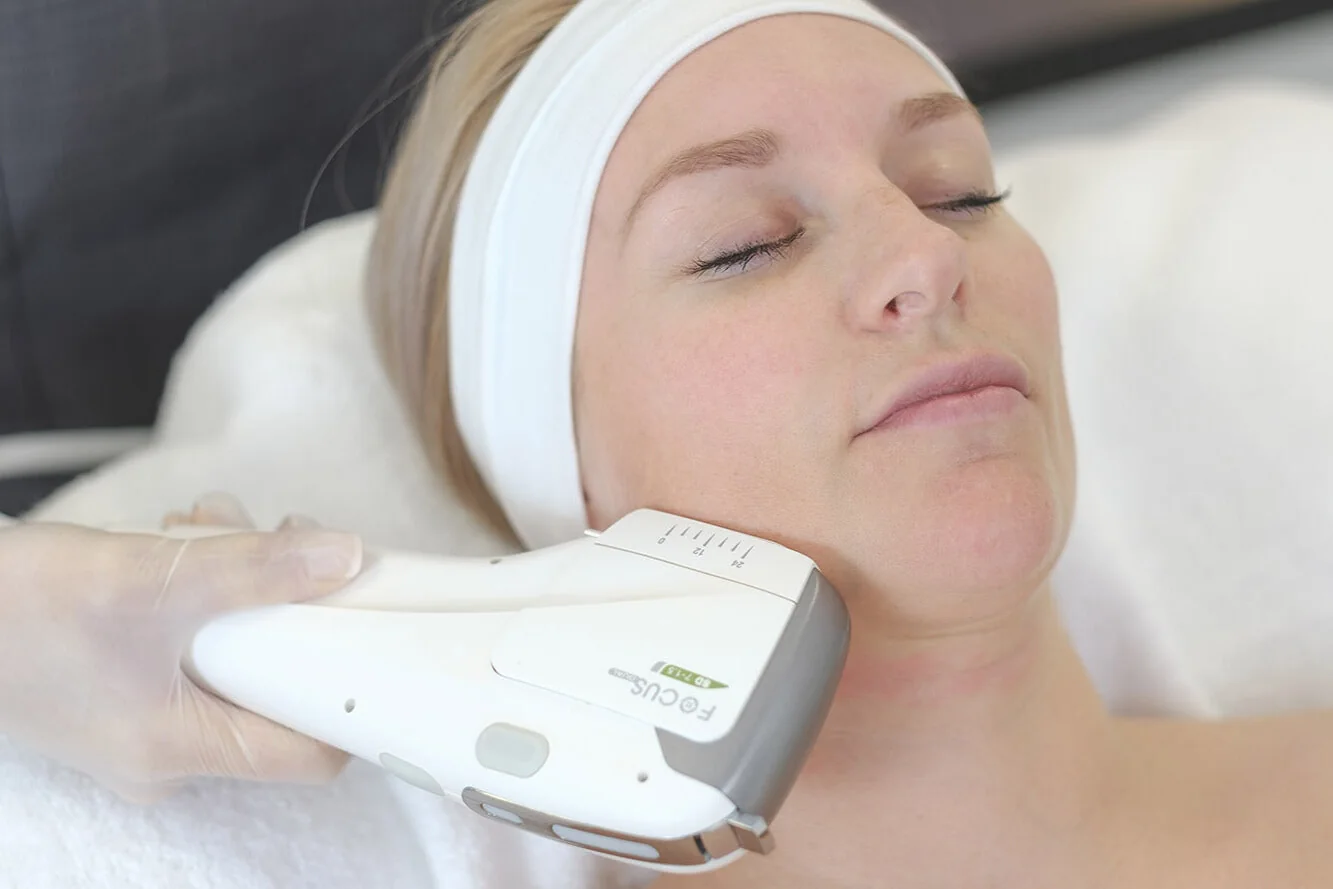
Lift Before You Fill: Why the Answer to a Tired Lower Face Is Often Energy, Not Filler
Jowls and a softer jawline are often lost support, not volume. Why XERF, EMFACE and Endolift often come before filler, and when filler is still right.
Read more
The rise of ‘Ozempic lips’: How drastic weight loss combined with fillers makes plumped-up pouts look even more pronounced
Our Founder, Dr Nina Bal, explores the rise of ‘Ozempic lips’in the Daily Mail. Ozempic lips occur when there is significant weight loss that makes the filler look more pronounced and disproportionate. As an experienced
Read more
What Is Facial Balancing? A Guide to Harmonising Your Features
What facial balancing actually means, how a proper assessment works, which treatments are used and when each is wrong, explained by Dr Nina Bal in London.
Read more